How Dampness in the Body Affects Skin Health
11 March, 2026
Key Takeaways
- In Traditional Chinese Medicine (TCM), Dampness refers to excess internal moisture that can disrupt circulation and contribute to persistent skin concerns.
- Dampness is often caused by Yang deficiency, excess Yin, and poor Qi and Blood circulation, which impair the body’s ability to manage fluids.
- Skin issues are viewed as external reflections of internal imbalance, meaning topical care alone may not fully address the root cause.
- Diet and lifestyle habits play a crucial role. Warming foods, regular movement, and limiting cold or greasy foods can help reduce Dampness in the body.
- TCM treatments for skin problems, including herbal medicine, Acupuncture, and tech-enhanced therapies, aim to restore internal balance and contribute to healthier skin over the long term.
Introduction
If you’ve been struggling with persistent skin issues like acne, eczema, or rashes that don’t seem to go away, the root cause might not just be external factors—it could be internal Dampness. According to TCM, an excess of Dampness in the body can disrupt the skin’s natural balance, leading to breakouts, irritation, and other concerns. But what exactly is it, and how can you manage it for healthier skin? Let’s take a closer look.
What Is Dampness (湿气) in the Body?
In TCM, Dampness is one of the key factors that can affect overall well-being. It refers to an excess of moisture in the body that can slow down circulation and cause Stagnation. When Dampness isn’t properly expelled, it can manifest in various ways, such as feeling sluggish, bloated, or heavy, and in many cases, showing up on your skin.
What Causes Dampness?
Several factors can lead to an accumulation of Dampness, including:
- Yang Deficiency: In TCM, Yang represents warmth and activity. When Yang is deficient—often experienced as a tendency to feel cold easily—the body loses its ability to transform and transport fluids. This can lead to internal Dampness.
- Excess Yin: Excessive Yin, which has a cooling and moistening nature, can also contribute to Dampness. This can be caused by lifestyle factors, such as frequently consuming cold drinks or raw foods.
- Poor Qi and Blood Circulation: Qi and Blood are responsible for nourishing and moving fluids throughout the body. When circulation is weak or stagnant, Dampness may occur within the body.
How Dampness Affects the Skin
When Dampness accumulates in the body, it can show up in a variety of skin concerns. Some of the most common include:
1. Acne Breakouts
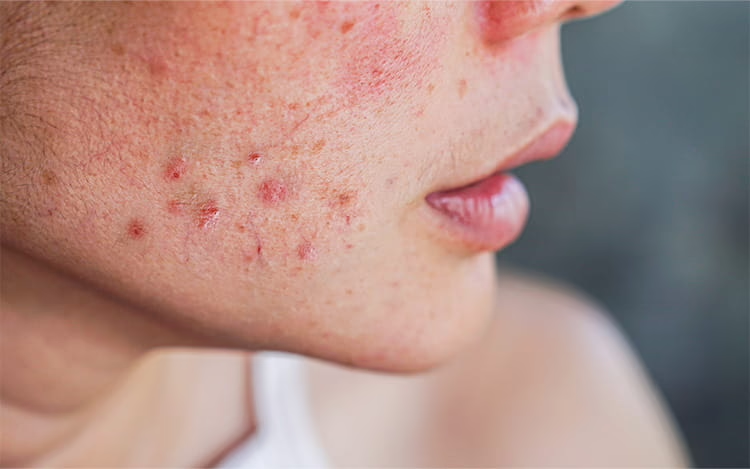
Dampness disrupts the smooth flow of Qi and Blood, leading to internal Heat that manifests as acne. In TCM, it’s believed that imbalances within the body are often mirrored on the skin and can appear as pimples, redness, or dryness on the cheeks, nose, and forehead.
2. Eczema and Rashes
According to TCM, eczema often stems from a combination of Wind[1]—usually triggered by stress or hormonal changes affecting the Liver —and Dampness in the Spleen. The formation of Heat, Dampness and Wind beneath the skin is believed to trigger itchy rashes, inflammation, and other signs of eczema.
How to Reduce Dampness for Healthier Skin
If you suspect that internal Dampness is affecting your skin, making a few lifestyle adjustments can help bring your body back into balance.
1. Adjust Your Diet
Certain foods can contribute to Dampness in the body, while others can help reduce it. Try incorporating more warming foods like ginger, garlic, and cooked meals while cutting back on cold drinks, dairy, and greasy foods. You can also explore herbal remedies for Dampness, such as Coix seed and poria mushrooms.
2. Stay Active
Exercise helps improve circulation and encourages the body to expel excess moisture through sweat. Activities like brisk walking or yoga can help stimulate energy flow and prevent Dampness buildup in the body. If you have been feeling sluggish, movement could be a simple yet effective way to recalibrate your body.
3. Consider TCM Treatments
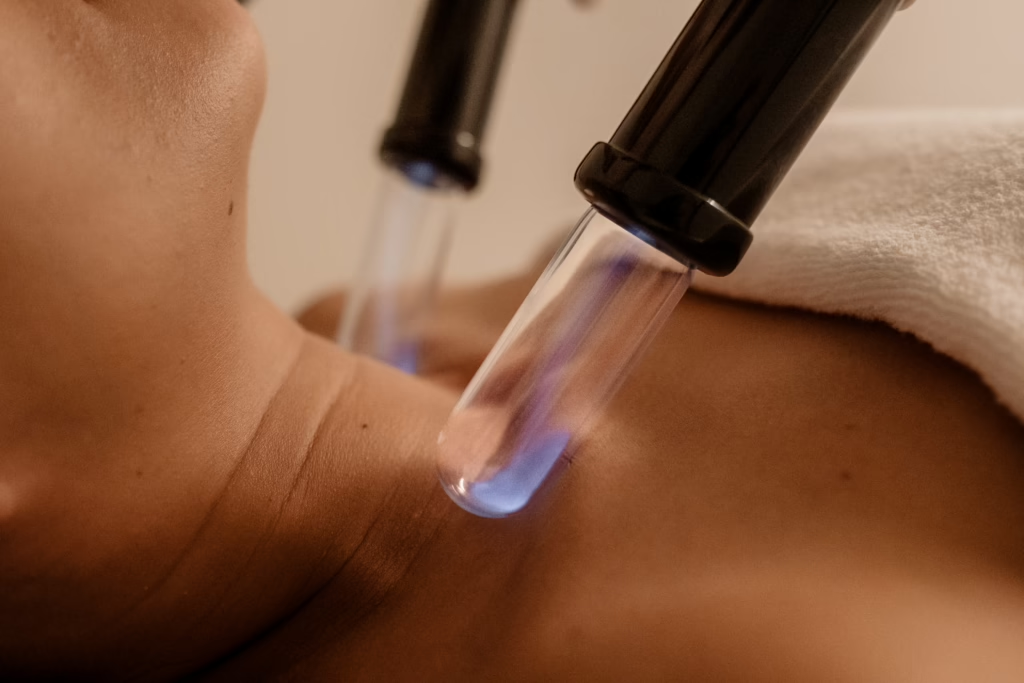
Various TCM treatments and tech-enhanced therapies can also be used to help clear Dampness, improve circulation, and restore balance. Some options include:
- Herbal Medicine: Personalised herbal blends are often used in TCM to support the body’s natural functions. For example, herbs like Coix seed (薏苡仁) are traditionally prescribed to reduce Dampness and inflammation[2].
- Acupuncture: Fine needles are inserted into specific acupuncture points, such as the Yin Ling Quan (阴陵泉), to target Dampness in the body. Stimulating these points can help regulate fluid metabolism, reduce swelling, and promote Qi flow[3].
- Electro-Lymphatic Therapy (ELT): A gentle, non-invasive therapy that encourages movement in the lymphatic system. By enhancing lymphatic circulation and supporting detoxification, this therapy helps reduce lymphoedema, swelling, and inflammation[4]. It is also commonly used to support patients with autoimmune conditions like eczema.
- Cell Pro Therapy (CPT): This therapy delivers negative ions to the body and is typically used to support skin healing and ease inflammation[5]. While not aimed at Dampness specifically, it complements other treatments by supporting skin health and overall well-being.
TCM for Healthier Skin
If you’re struggling with persistent skin issues, exploring a more holistic approach may help. In TCM, skin health is seen as a reflection of internal balance, and Dampness may be one of the underlying factors. Through diet, lifestyle adjustments, and targeted treatments, you can support your body’s natural healing process and work towards long-term skin health.
At Oriental Remedies Clinic, we provide holistic TCM treatments for acne and eczema, with personalised care plans tailored to each individual. Our bilingual physicians combine TCM treatments with tech-enhanced therapies to address concerns at the root and support overall balance.
Contact us to find out more today.
This article is written by Physician Cheung Kam (Kenneath), registered TCM physicians certified by the Traditional Chinese Medicine Practitioners Board (TCMPB).
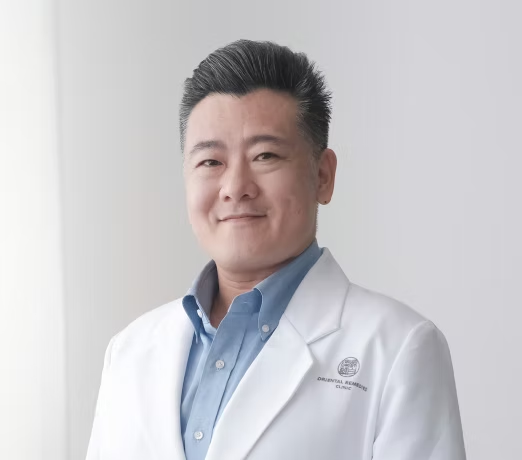
Cheung Kam (Kenneath)
Physician
Physician Cheung graduated from the esteemed Singapore College of Traditional Chinese Medicine and gained invaluable practical experience at Chung Hwa Medical Institution during his five years of TCM studies. With a diverse background spanning commerce, IT, and healthcare in both Singapore and Hong Kong, he brings a unique perspective to his practice.
Note: all words in Italics mentioned henceforth refer to the TCM organ system and not the anatomical organs/terms referenced in Western medicine.
Disclaimer:
The content on this page is for information and educational purposes only. Such medical information may relate to disease, injury, drugs, and other treatments, medical devices, and/or health products. Medical information does not amount to advice, and if advice is needed an appropriate professional help should be sought. The disclaimer asserts that no warranties or representations are given in respect of the medical information and that the website operator should not be held liable if a user suffers any injury or loss after relying upon the medical information
Any devices used for technology-enhanced therapies are intended for use only for general well-being purposes or to encourage or maintain a healthy lifestyle, and is not intended to be used for any medical purpose (such as the detection. diagnosis, monitoring, management or treatment of any medical condition or disease). Any health-related information provided by this device or software should not be treated as medical advice.
References:
[1] Dashtdar, M., Dashtdar, M. R., Dashtdar, B., Kardi, K., & Shirazi, M. K. (2016). The Concept of Wind in Traditional Chinese Medicine. Journal of pharmacopuncture, 19(4), 293–302. https://doi.org/10.3831/KPI.2016.19.030
[2] https://yibian.hopto.org/db/?yno=363&lc=cn
[3] https://sheigo.tw/column/view/151
[5] Oschman JL. Can electrons act as antioxidants? A review and commentary. J Altern Complement Med. 2007 Nov;13(9):955-67. doi: 10.1089/acm.2007.7048. PMID: 18047442.