● CUPPING THERAPY IN SINGAPORE
CUPPING
WHAT IS CUPPING?
Cupping Therapy (拔罐, Bá guàn) is a TCM technique in which suction cups are placed on the skin to stimulate Qi and Blood flow, ease muscle tension and support the body’s natural recovery processes.
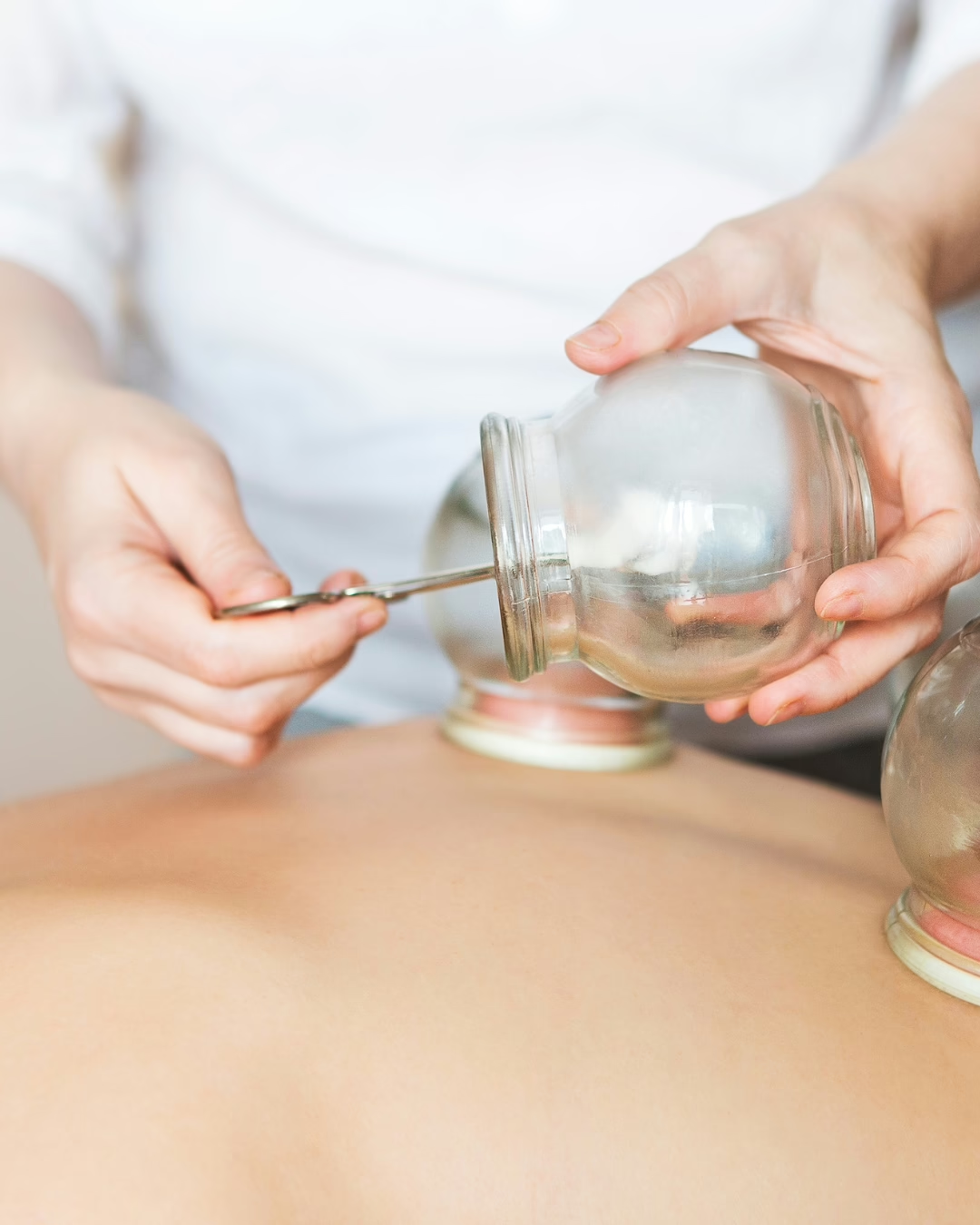
The suction is commonly created by heating the air inside a glass cup before placing it on the skin. This gently lifts the skin and underlying tissues, encouraging circulation and drawing stagnation towards the surface. In TCM, this helps to clear blockages, relieve tightness and restore balance to affected areas.
TCM Cupping treatments are tailored to your body constitution, symptoms and health goals. Performed by our MOH-licensed TCM physicians, each session is guided by traditional TCM diagnostic methods and personalised treatment recommendations to support your overall well-being.
Cupping Therapy (拔罐, Bá guàn) is a TCM technique in which suction cups are placed on the skin to stimulate Qi and Blood flow, ease muscle tension and support the body's natural recovery processes.
The suction is commonly created by heating the air inside a glass cup before placing it on the skin. This gently lifts the skin and underlying tissues, encouraging circulation and drawing stagnation towards the surface. In TCM, this helps to clear blockages, relieve tightness and restore balance to affected areas.
TCM Cupping treatments are tailored to your body constitution, symptoms and health goals. Performed by our MOH-licensed TCM physicians, each session is guided by traditional TCM diagnostic methods and personalised treatment recommendations to support your overall well-being.
TYPES OF CUPPING METHODS & TECHNIQUES
Depending on your condition and treatment goals, your physician may recommend one or a combination of cupping methods and techniques. Each session is tailored to your needs—ensuring comfort, safety, and effective results under the care of our trained team.
DRY CUPPING
Dry cupping is one of the most commonly used forms of TCM cupping. Cups are applied to selected areas, often along the back, shoulders and neck, using suction to gently lift the skin and underlying tissue. This helps stimulate Qi and Blood circulation, ease muscle tension and support the movement of stagnant energy (Qi), Blood, fluids and Toxins in the body. Dry cupping may also be combined with Acupuncture as part of a personalised treatment plan.
WET CUPPING (BLOOD-LETTING)
Wet Cupping, also known as blood-letting cupping, involves a small, controlled skin incision before suction is applied. This helps draw out a small amount of Stagnant Blood and Toxins from the affected area, providing a deeper level of detoxification than dry cupping alone. In TCM, Wet Cupping may be recommended for conditions associated with Blood Stagnation, Excess Heat, or Heat-Dampness buildup. It is performed only by our experienced registered TCM physicians under strict hygiene and safety protocols.
STATIONARY CUPPING
Cups are placed on targeted areas and left in position for 5 to 15 minutes. This allows the suction to work on specific points of tension or Stagnation, helping to stimulate circulation and relieve localised discomfort. It is commonly used for areas such as the back, shoulders and neck.
GLIDING CUPPING (SCRAPING)
Gliding cupping, also known as sliding cupping or cupping massage, combines the suction of cupping with gentle movement across the skin. With the aid of oil, the cups are moved along targeted areas to help ease widespread muscle tightness, promote relaxation and support mobility.
FLASHING CUPPING
Cups are quickly applied and removed in repeated succession over the same area. This lighter and more dynamic technique helps stimulate circulation and relieve superficial tension, while generally leaving less prominent marks compared to stationary cupping.
DRY CUPPING
Dry cupping is one of the most commonly used forms of TCM cupping. Cups are applied to selected areas, often along the back, shoulders and neck, using suction to gently lift the skin and underlying tissue. This helps stimulate Qi and Blood circulation, ease muscle tension and support the movement of stagnant energy (Qi), Blood, fluids and Toxins in the body. Dry cupping may also be combined with Acupuncture as part of a personalised treatment plan.
WET CUPPING
(BLOOD-LETTING)
(BLOOD-LETTING)
Wet Cupping, also known as blood-letting cupping, involves a small, controlled skin incision before suction is applied. This helps draw out a small amount of Stagnant Blood and Toxins from the affected area, providing a deeper level of detoxification than dry cupping alone. In TCM, Wet Cupping may be recommended for conditions associated with Blood Stagnation, Excess Heat, or Heat-Dampness buildup. It is performed only by our experienced registered TCM physicians under strict hygiene and safety protocols.
STATIONARY CUPPING
Cups are placed on targeted areas and left in position for 5 to 15 minutes. This allows the suction to work on specific points of tension or Stagnation, helping to stimulate circulation and relieve localised discomfort. It is commonly used for areas such as the back, shoulders and neck.
GLIDING CUPPING
(SCRAPING)
(SCRAPING)
Gliding cupping, also known as sliding cupping or cupping massage, combines the suction of cupping with gentle movement across the skin. With the aid of oil, the cups are moved along targeted areas to help ease widespread muscle tightness, promote relaxation and support mobility.
FLASHING CUPPING
Cups are quickly applied and removed in repeated succession over the same area. This lighter and more dynamic technique helps stimulate circulation and relieve superficial tension, while generally leaving less prominent marks compared to stationary cupping.
WHAT DO YOUR CUPPING MARKS MEAN?
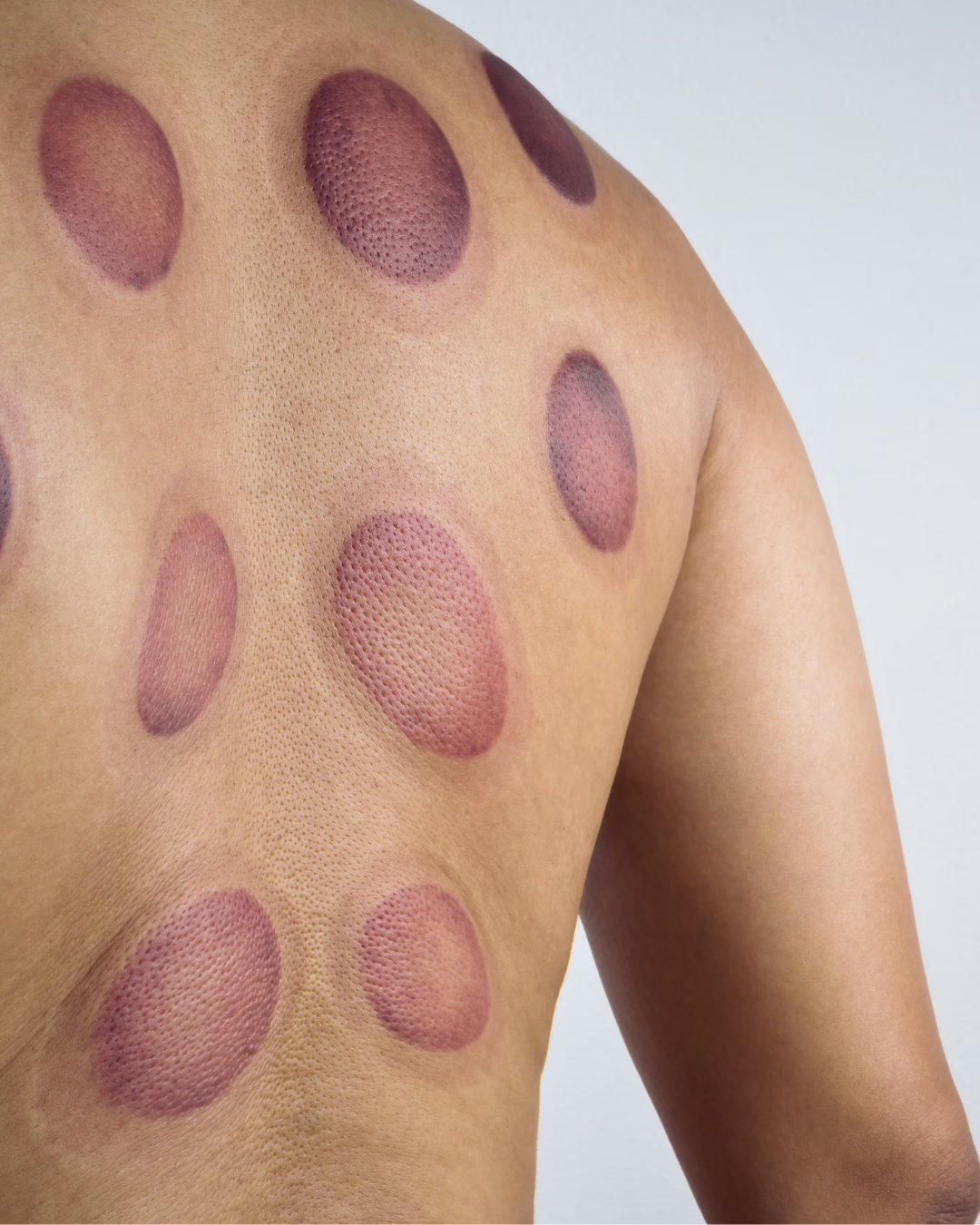
The colour and intensity of your cupping marks offer insight into your body’s internal condition. These visual cues help our physicians assess the level of Stagnation, Toxin buildup, or Dampness present in specific areas.
Darker marks (deep red, purple, or black)
suggest more significant Blood stagnation, Heat or Toxin accumulation.
Light red marks
typically indicate milder Stagnation or a better state of circulation.
Pale or white marks
point toward Qi and Blood deficiency or a weaker constitution.
These insights are crucial for guiding your personalised treatment plan and monitoring your progress throughout your healing journey.
(No redness)
(Mild redness)
(With lots of water droplets)
(Moderate redness)
(Deep red bruises)
(Spottings with redness)
HOW IT HELPS
INVIGORATES THE FLOW OF QI AND BLOOD
Promotes circulation to ease congestion, reduce discomfort, and nourish muscles and tissues.
EXPELS COLD , DAMPNESS AND TOXINS
Helps draw out unwanted fluids and metabolic waste, addressing symptoms linked to Dampness and Toxin accumulation.
RELIEVES MUSCLE TENSION AND STIFFNESS
Softens tight or knotted muscles, improving mobility and relieving aches. It’s akin to a deep tissue massage but works by lifting rather than pressing.
CALMS INFLAMMATION AND CLEARS HEAT
Supports skin and systemic health by reducing excess internal Heat, which may present as redness, rashes or acne.
STRENGTHENS ORGAN FUNCTION
Enhances the function of key organs like the Lungs, Spleen and Kidneys by correcting energetic imbalances and clearing blockages.
CONDITIONS CUPPING CAN HELP SUPPORT
WHAT TO EXPECT
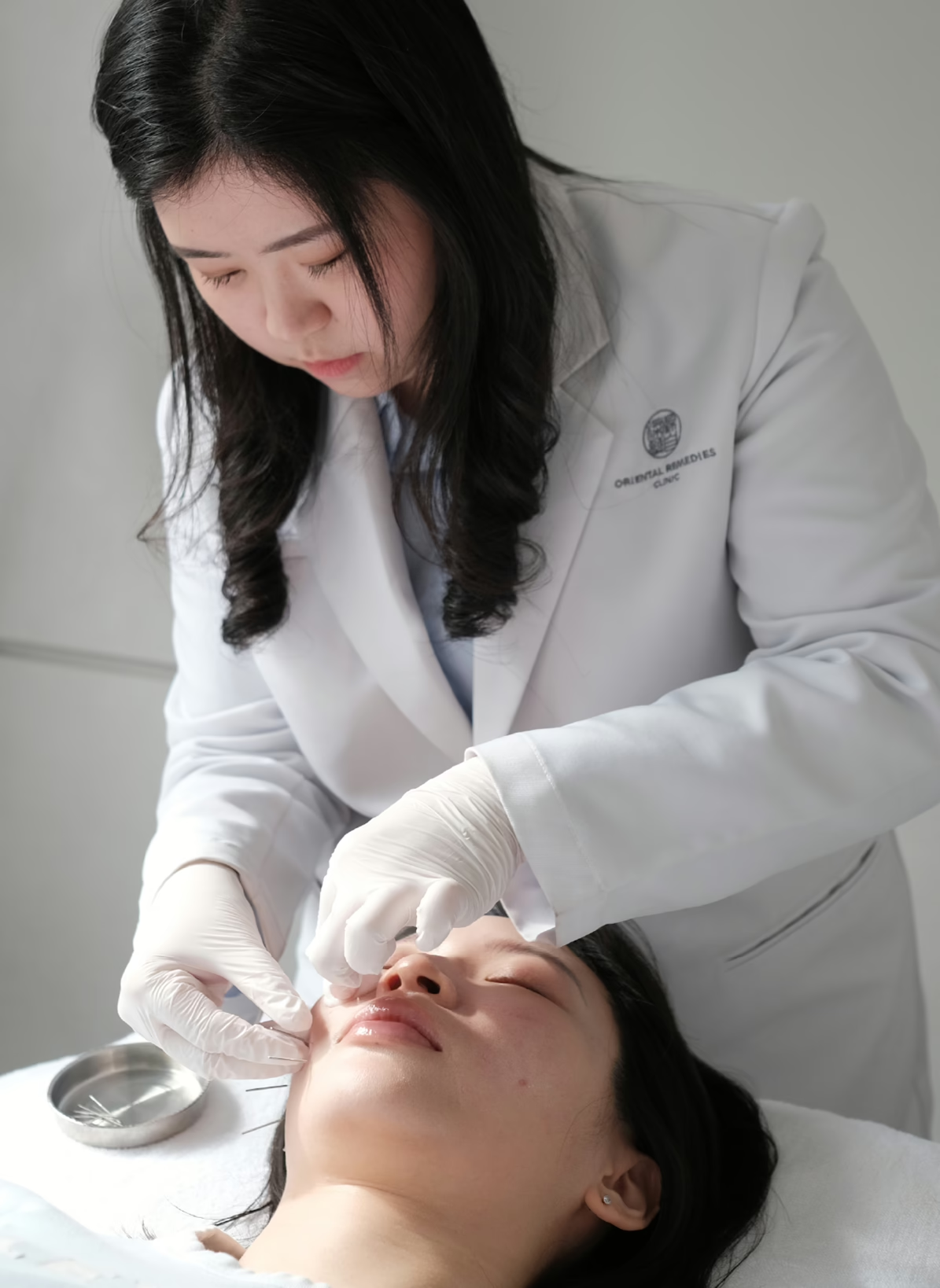
DETAILED DIAGNOSIS
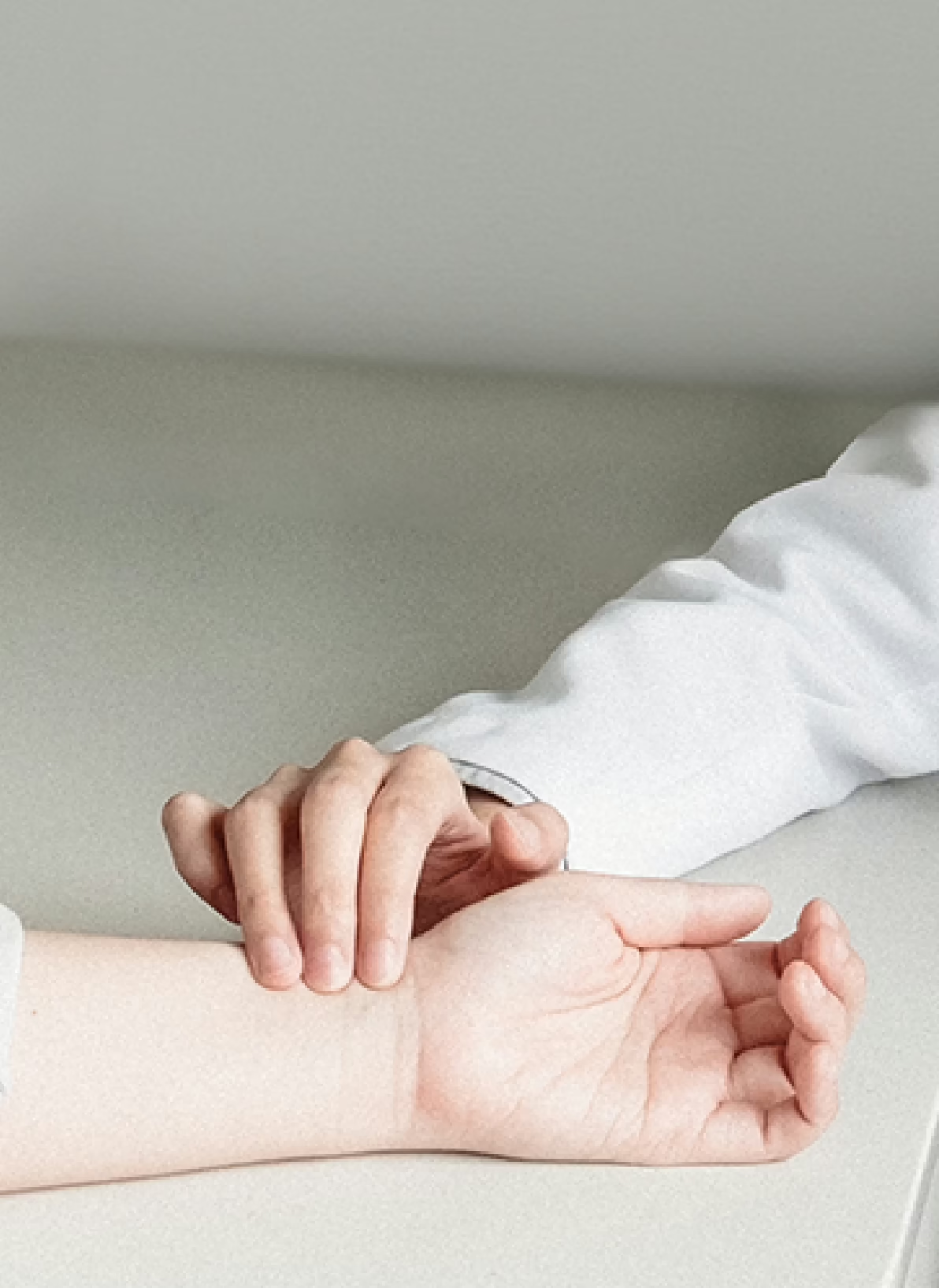
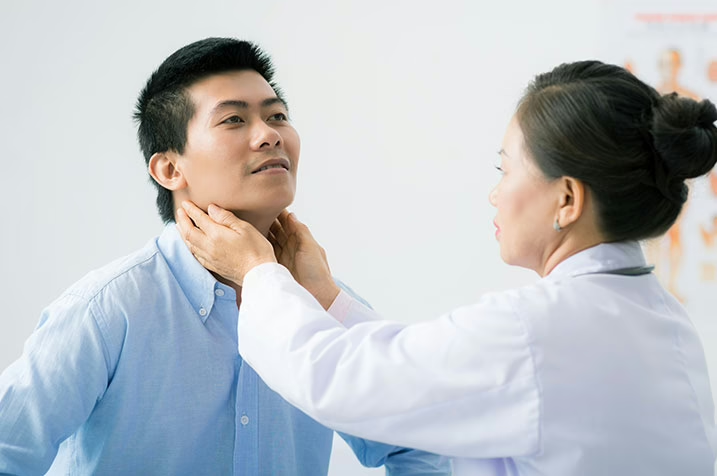
Using traditional TCM methods like pulse-taking, physical observation, and lifestyle inquiry, we uncover your unique body constitution and the imbalances contributing to your wellness concerns.
TREATMENT PLAN
Our physicians will explain the root causes affecting your health, providing clarity on your personalised treatment plan.
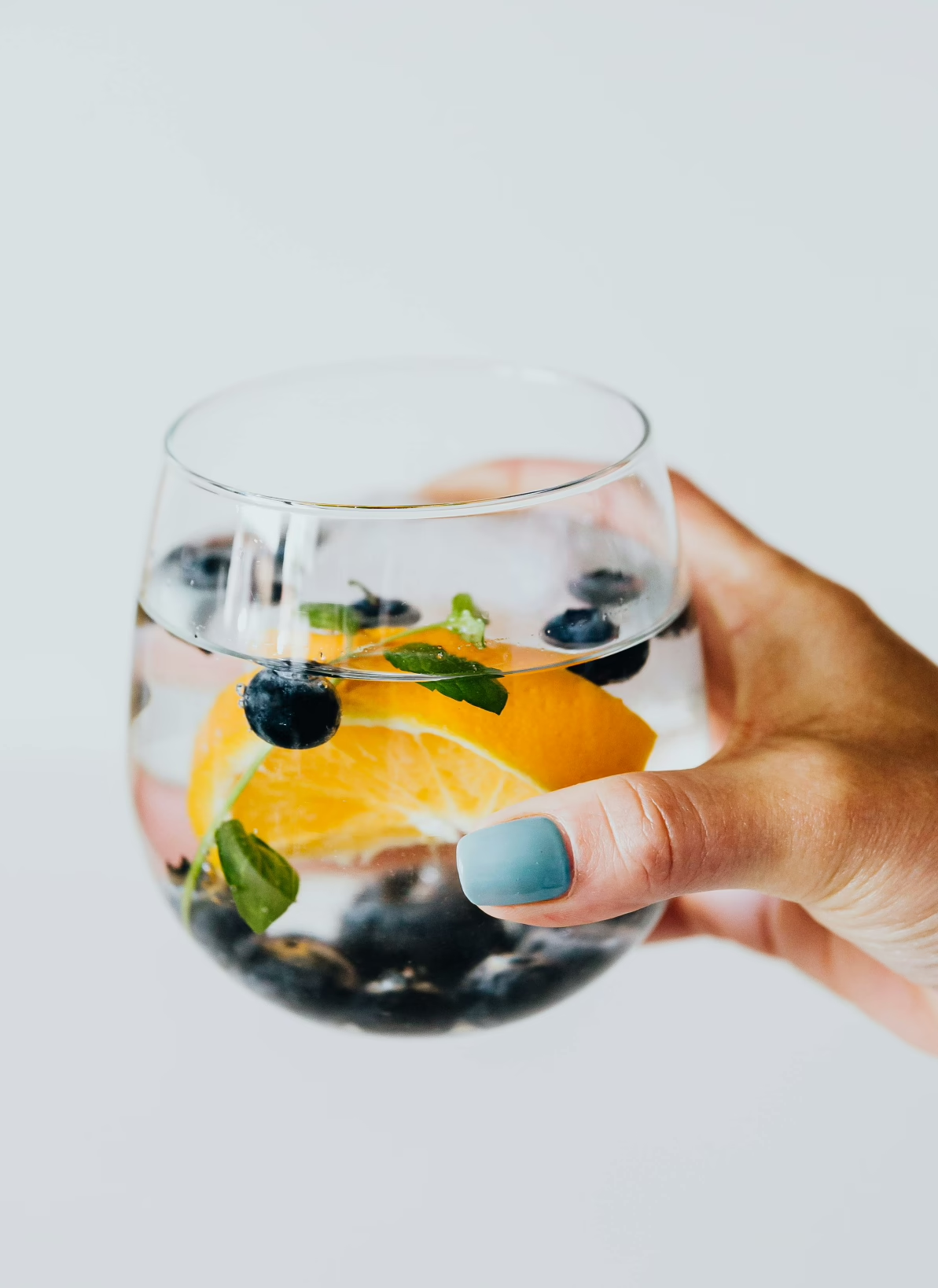
HOLISTIC CARE
Receive supportive care and simple lifestyle suggestions tailored to your body constitution, helping you extend the benefits of treatment beyond the clinic.
DETAILED DIAGNOSIS
Using traditional TCM methods like pulse-taking, physical observation, and lifestyle inquiry, we uncover your unique body constitution and the imbalances contributing to your wellness concerns.
TREATMENT PLAN
Our physicians will explain the root causes affecting your health, providing clarity on your personalised treatment plan.
HOLISTIC CARE
Receive supportive care and simple lifestyle suggestions tailored to your body constitution, helping you extend the benefits of treatment beyond the clinic.
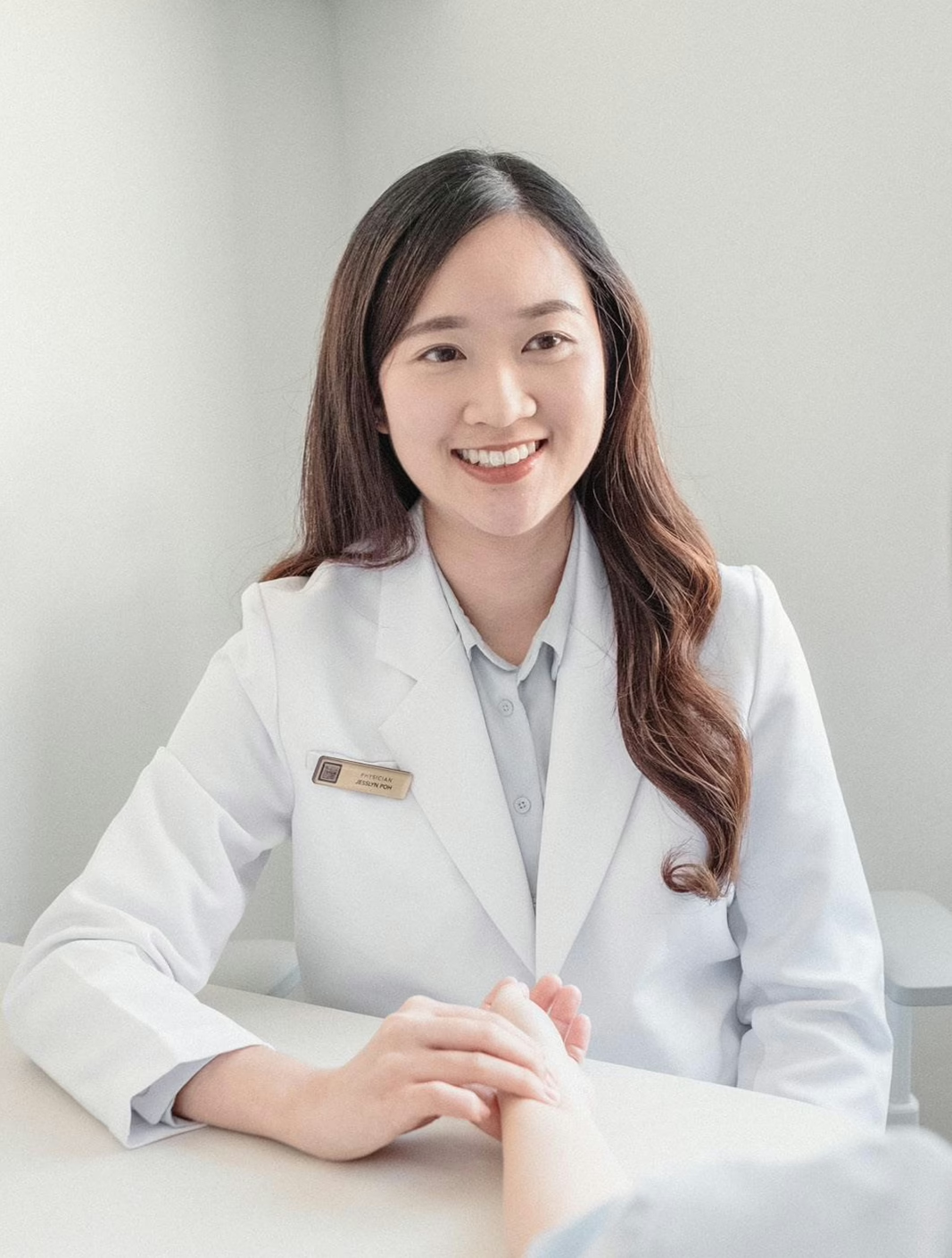
CONSULT EXPERIENCED PHYSICIANS
START YOUR JOURNEY TOWARD BETTER HEALTH WITH A PERSONALISED CUPPING TREATMENT PLAN .
Call us at +65 6971 1325
FAQ
What should I do after a cupping session?
After cupping, avoid showering for at least 3 hours, as your pores remain open and you may be more susceptible to catching a cold. Try to stay away from strong winds and air-conditioned environments. It’s also important to rest and hydrate well to support your body’s recovery.
How much does cupping cost in Singapore?
The cost of cupping varies depending on the type of cupping, the physician’s experience and the clinic you go to.
For more information on our treatment prices, please refer to our full price table.
Who should take caution with cupping therapy?
If you’re taking blood-thinning medication, have blood clotting disorders, or have skin conditions like eczema or psoriasis, please consult our certified TCM physicians before starting cupping therapy. We’ll help assess whether it’s safe and appropriate for your condition.
Does cupping leave marks or bruises?
Yes, cupping often leaves temporary circular marks or mild bruising where the cups were placed.These marks are not painful and typically fade within a few days to a week, depending on your circulation. These marks are used diagnostically in TCM to assess areas of Stagnation or Imbalance.
How long does a cupping session take?
A typical cupping session lasts between 15 to 30 minutes, depending on your condition and treatment plan. It may be combined with other therapies as part of a holistic approach to your care.
Is cupping painful?
Cupping therapy is generally well-tolerated and not considered painful. Most individuals describe it as a pulling or tightening sensation as the cups create suction. Your comfort is our priority, so please inform your physician immediately if you experience any discomfort, and adjustments will be made.
Is cupping suitable for everyone?
Cupping may not be suitable for everyone. Patients taking blood-thinning medication, those with bleeding or clotting disorders, and those with active skin conditions such as eczema or psoriasis over the treatment area should consult our registered TCM physicians before proceeding with Cupping. Cupping is also not recommended for pregnant women. Our physicians will assess your condition and advise accordingly.
Can cupping be combined with other TCM treatments?
Yes. Cupping may be recommended alongside Acupuncture, herbal medicine, and Tuina at Oriental Remedies Clinic. Our MOH-licensed physician will recommend a suitable combination based on your TCM diagnosis, symptoms and treatment goals.
What's the difference between Wet and Dry Cupping?
Dry Cupping uses suction without breaking the skin to stimulate Qi and Blood circulation, ease muscle tension and support the movement of Stagnant Qi, Blood, fluids and Toxins in the body.
Wet Cupping, also known as blood-letting cupping, involves a small, controlled skin incision before suction is applied. This helps draw out a small amount of Stagnant Blood and Toxins from the affected area, providing a deeper level of detoxification than Dry Cupping alone.
In TCM, Wet Cupping may be recommended for conditions associated with Blood Stagnation, Excess Heat or Heat-Dampness, while Dry Cupping is commonly used to support circulation and relieve muscle tension. Your physician will recommend the most suitable method based on your condition and TCM diagnosis.
LEARN MORE
LEARN MORE