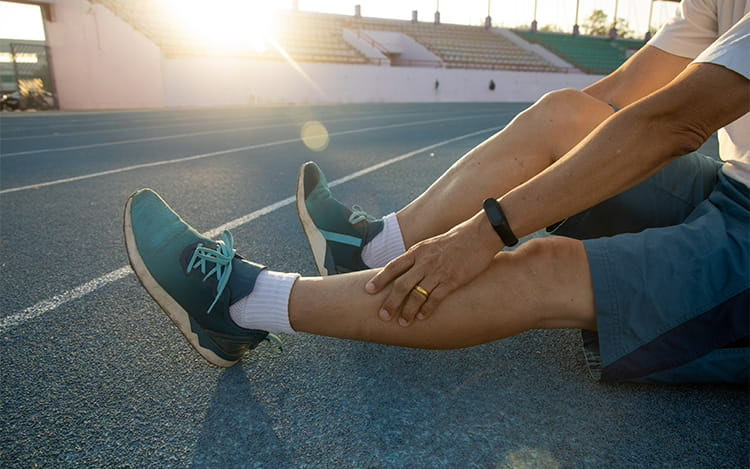
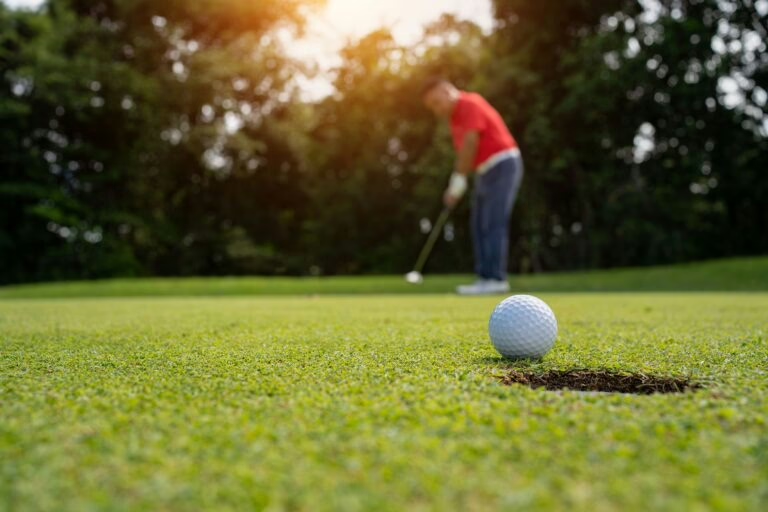
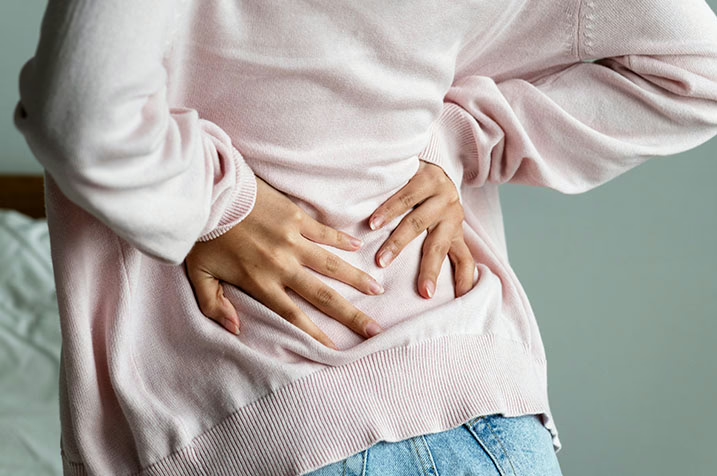
DON’T JUST PUSH THROUGH THE STRAIN. RESTORE YOUR EDGE WITH RECOVERY THAT GOES BEYOND SURFACE RELIEF. STAY AT YOUR PEAK, SESSION AFTER SESSION.
In TCM, we support recovery by restoring internal balance and strengthening your body’s natural ability to heal. When you are under strain, we look at your internal environment as a whole, rather than focusing only on the spot that hurts.
Training stress is rarely isolated to a single muscle or joint. It ripples through your entire system, impacting your circulation, energy levels, and even your sleep quality. When your recovery consistently lags behind your training load, it often shows up as lingering fatigue, persistent muscle tension, or those nagging overuse injuries that just won’t go away.
We also look at how your internal organs support your
movement and resilience:
By looking beyond the immediate pain, we address the underlying factors affecting your overall conditioning and your body’s ability
to recover between sessions.
TCM and physiotherapy work in synergy, especially when you are looking to improve both your physical function and your overall recovery comfort. Many of our patients choose to combine both: using physiotherapy to retrain movement patterns and TCM to accelerate pain relief and whole-body restoration.
While both approaches support muscle and joint health, they offer different perspectives. Physiotherapy focuses on the mechanics of how you move. It uses structured rehab plans, targeted exercises, and hands-on techniques to rebuild strength and restore the movement patterns you need to return to activity safely.
TCM looks at your recovery through the lens of circulation and internal balance. We look for disruptions in Qi and Blood flow, such as stagnation or blockages along the meridians, that might be slowing your progress. Using treatments like Acupuncture, Herbal Medicine, and Tuina, we help ease pain and support the body’s natural repair process. Your TCM treatment plan is always tailored to your unique body constitution and concern areas.
Sports therapy and TCM share a similar goal: helping you return to peak performance while reducing the risk of your injury coming back. The difference lies in the approach.
Sports Therapy is grounded in sports science. It prioritises immediate injury care and a structured “return-to-sport” plan tailored to the specific demands of your activity. This includes sport-specific rehab, movement screening, and conditioning work like therapeutic massage, taping, and strength training to get you back in the game safely and quickly.
TCM takes a more holistic approach. It supports your recovery by regulating Qi and circulation, using Acupuncture and Herbal Medicine to address the internal imbalances or blockages that may be slowing your healing.
While Sports Therapy is ideal for driving rapid functional progress and physical readiness, TCM provides the deeper restorative support and long-term resilience your body needs. Together, they offer a balanced blend of immediate action and sustained recovery.
TCM and physiotherapy work in synergy, especially when you are looking to improve both your physical function and your overall recovery comfort. Many of our patients choose to combine both: using physiotherapy to retrain movement patterns and TCM to accelerate pain relief and whole-body restoration.
While both approaches support muscle and joint health, they offer different perspectives. Physiotherapy focuses on the mechanics of how you move. It uses structured rehab plans, targeted exercises, and hands-on techniques to rebuild strength and restore the movement patterns you need to return to activity safely.
TCM looks at your recovery through the lens of circulation and internal balance. We look for disruptions in Qi and Blood flow, such as stagnation or blockages along the meridians, that might be slowing your progress. Using treatments like Acupuncture, Herbal Medicine, and Tuina, we help ease pain and support the body’s natural repair process. Your TCM treatment plan is always tailored to your unique body constitution and concern areas.
Sports therapy and TCM share a similar goal: helping you return to peak performance while reducing the risk of your injury coming back. The difference lies in the approach.
Sports Therapy is grounded in sports science. It prioritises immediate injury care and a structured “return-to-sport” plan tailored to the specific demands of your activity. This includes sport-specific rehab, movement screening, and conditioning work like therapeutic massage, taping, and strength training to get you back in the game safely and quickly.
TCM takes a more holistic approach. It supports your recovery by regulating Qi and circulation, using Acupuncture and Herbal Medicine to address the internal imbalances or blockages that may be slowing your healing.
While Sports Therapy is ideal for driving rapid functional progress and physical readiness, TCM provides the deeper restorative support and long-term resilience your body needs. Together, they offer a balanced blend of immediate action and sustained recovery.
You do not have to be a professional athlete to benefit. Sports treatment and recovery increasingly supports active adults and recreational athletes who sustain overuse or acute injuries, and people returning to activity after an accident or period of inactivity.
This is commonly for:

Even when two people have the same issue, the underlying driver can be different. In TCM, these are common causes we look for:

This happens when external factors like Wind, Cold, or Dampness affect the meridians and disrupt the flow of Qi and Blood. It often shows up as pain, stiffness, heaviness, or numbness in muscles and joints.
In TCM, pain is often linked to Qi and Blood not moving smoothly. When circulation is blocked or stagnant, discomfort can feel tight, fixed, or hard to shift, even with rest.
Not all pain is caused by blockages. When the body is deficient in Qi and Blood, it lacks the nutrients needed to nourish tissues, tendons, and meridians. This often results in a dull, lingering ache that typically feels better with warmth or gentle pressure.
When Qi flow is impaired over time, Blood flow can become more stagnant too. This can lead to localised pain, swelling, a feeling of distension or fullness, and recovery that repeatedly feels “stuck.”
This happens when external factors like Wind, Cold, or Dampness affect the meridians and disrupt the flow of Qi and Blood. It often shows up as pain, stiffness, heaviness, or numbness in muscles and joints.
In TCM, pain is often linked to Qi and Blood not moving smoothly. When circulation is blocked or stagnant, discomfort can feel tight, fixed, or hard to shift, even with rest.
Not all pain is caused by blockages. When the body is deficient in Qi and Blood, it lacks the nutrients needed to nourish tissues, tendons, and meridians. This often results in a dull, lingering ache that typically feels better with warmth or gentle pressure.
When Qi flow is impaired over time, Blood flow can become more stagnant too. This can lead to localised pain, swelling, a feeling of distension or fullness, and recovery that repeatedly feels “stuck.”
If you are dealing with ongoing or complex pain, you may also benefit from our Pain Treatment page, especially when symptoms affect daily life beyond training.
Our TCM treatments for sports recovery are designed around how your body feels and functions between sessions.
Based on your body constitution and what you need most at the time of your review, care may focus on easing tension, settling discomfort, improving mobility, or supporting deeper restoration when fatigue builds up. Your plan is adjusted over time as your symptoms and training demands change.
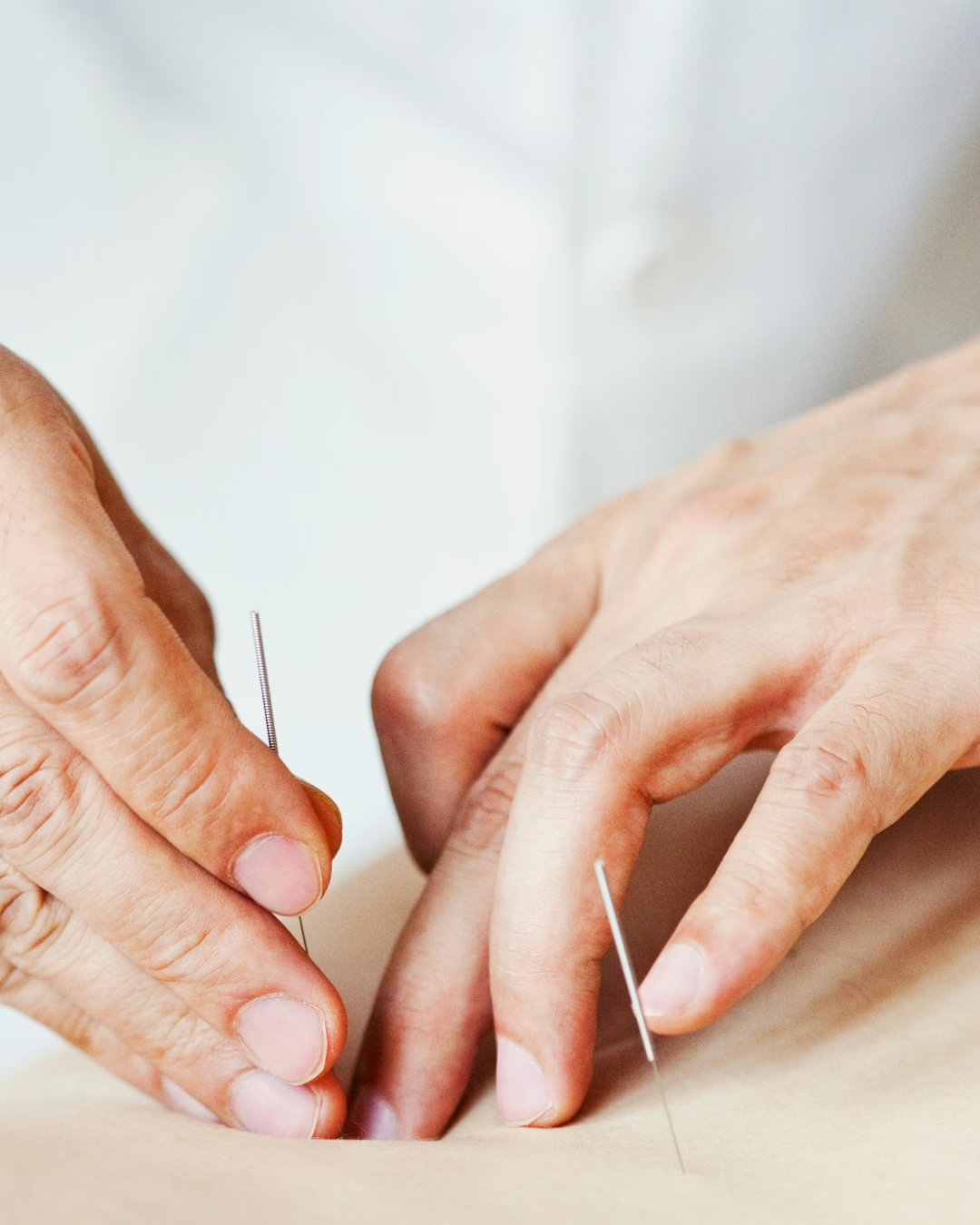


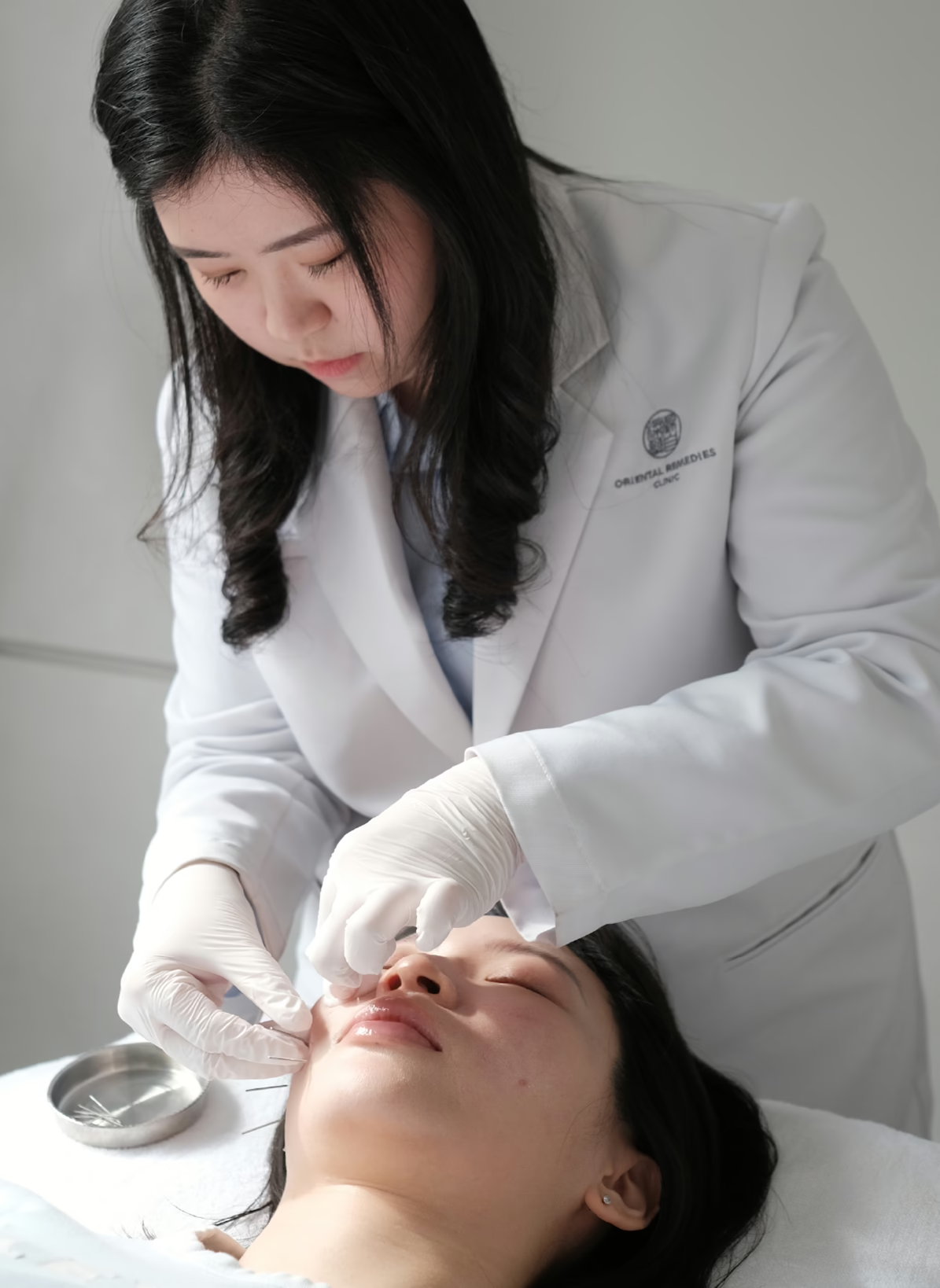
Acupuncture supports sports recovery by promoting Qi and Blood flow, easing pain, and reducing swelling or inflammation. It is often used when the body feels tight, sore, or slow to bounce back after exertion or injury.
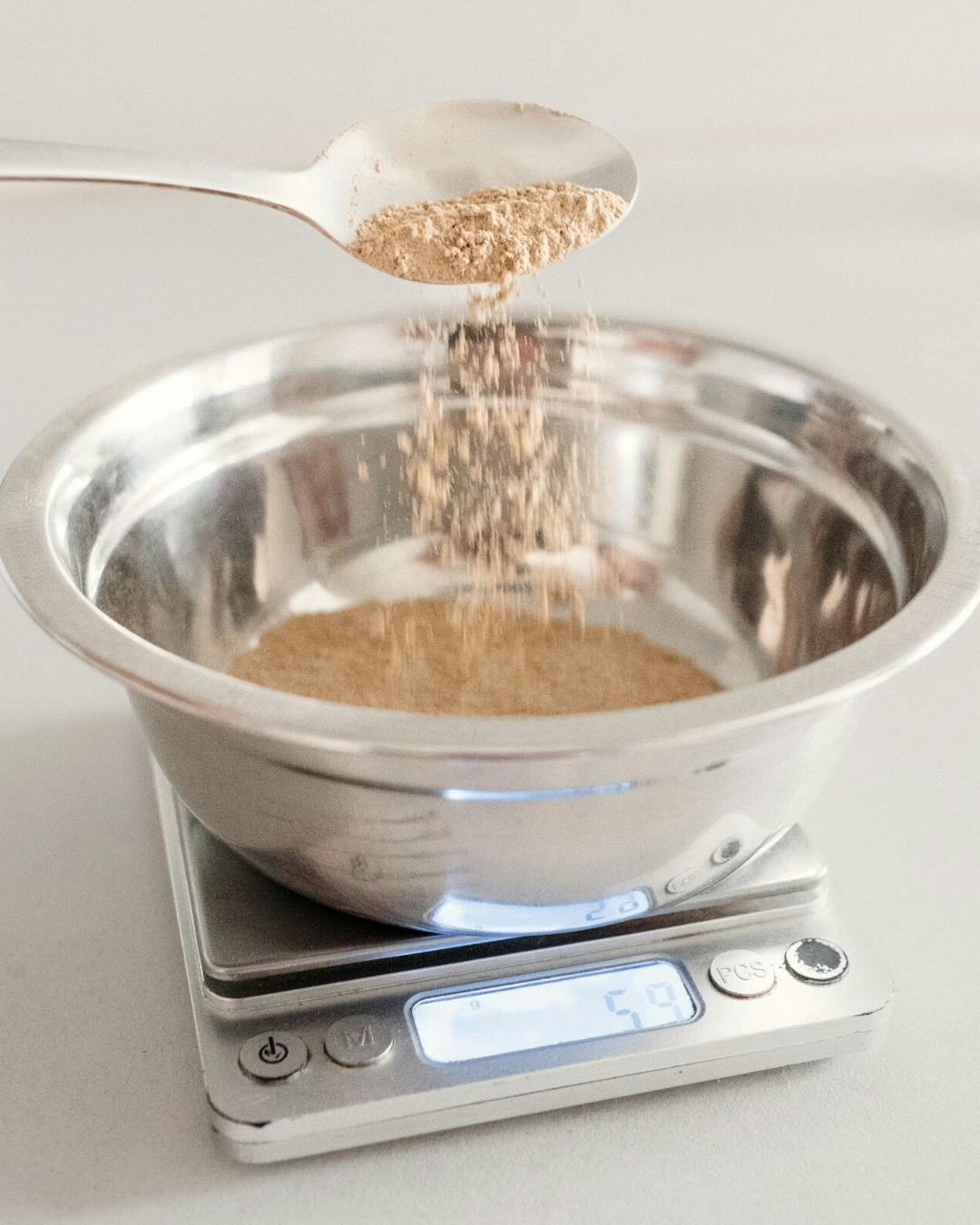
Herbal medication may be prescribed to support internal recovery, help reduce inflammation, dispel Blood stasis, and support tissue repair, especially when fatigue or soreness lingers.
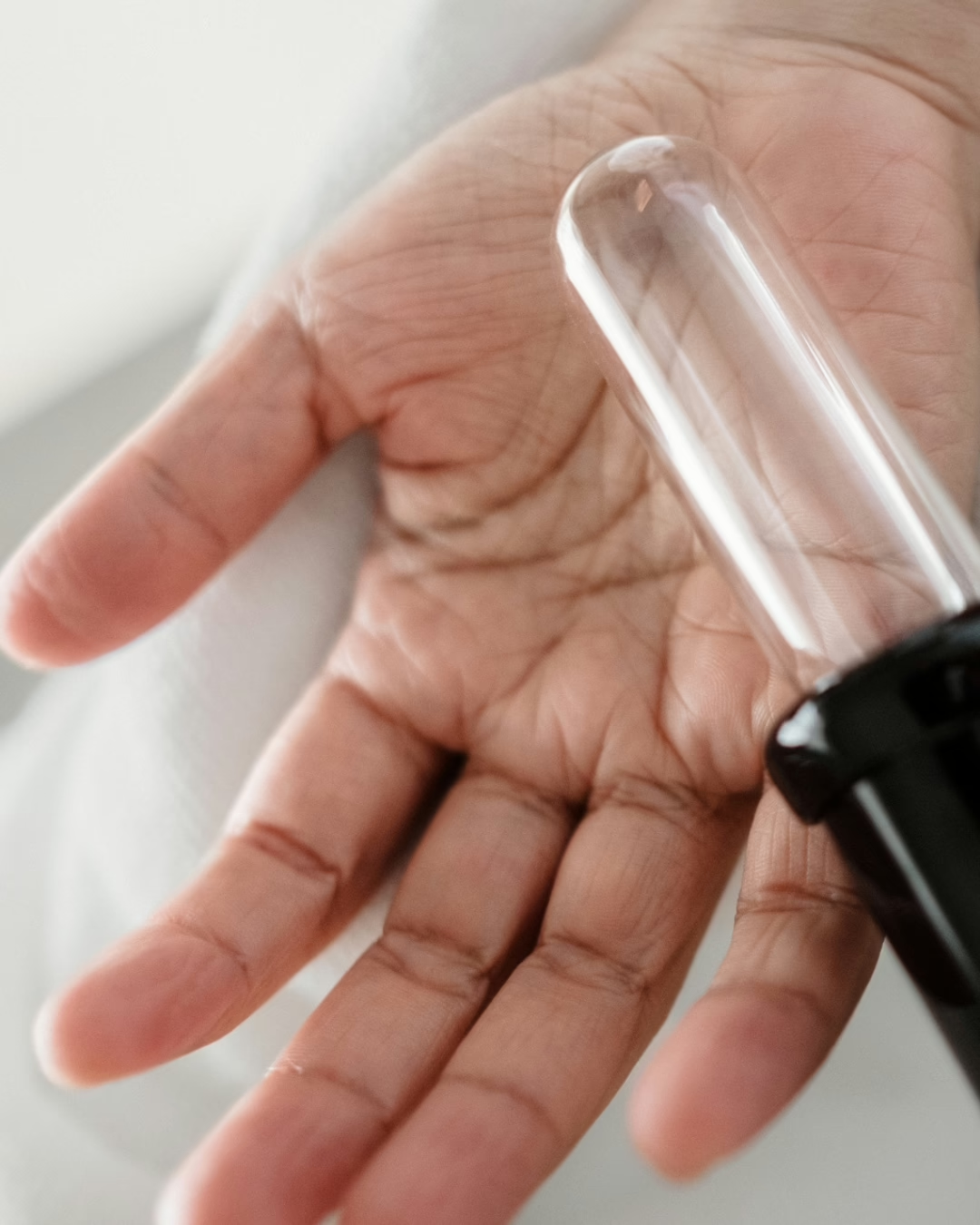
Unlike massage, Precision Tuina is a physician-led, targeted TCM manual therapy designed to address pain, tension, and restricted mobility through focused therapeutic techniques.
By working directly on specific muscle groups, acupoints, and meridian pathways, Precision Tuina helps release deep-seated tension and restores the smooth flow of Qi and Blood. It is especially effective for those dealing with stiffness or overuse tightness that hinders movement quality and recovery comfort.
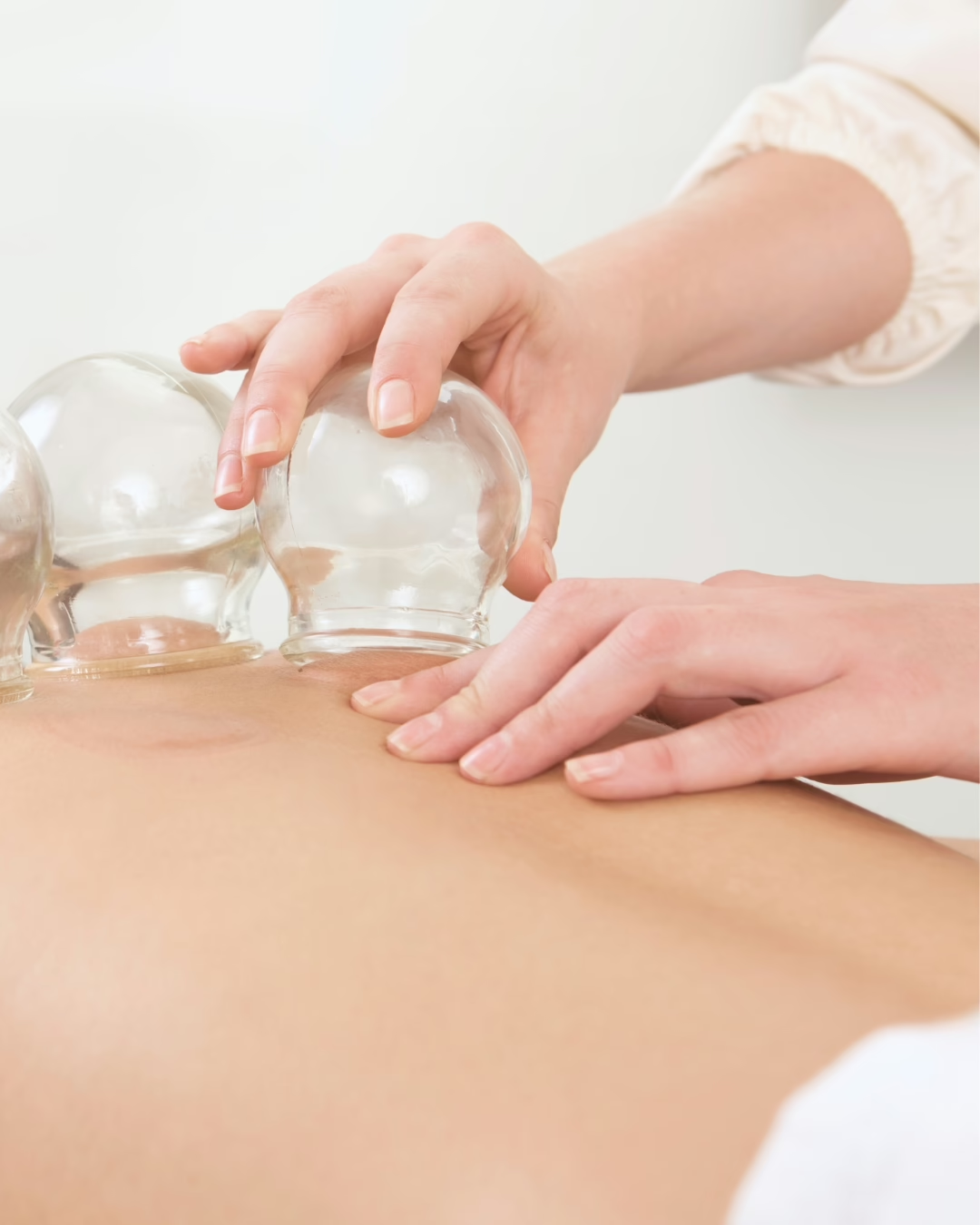
Cupping uses suction to help relieve deep muscle tension and encourage circulation. It is commonly used when muscles feel tight, heavy, or “stuck”, especially after intense training blocks or repetitive strain. [1]
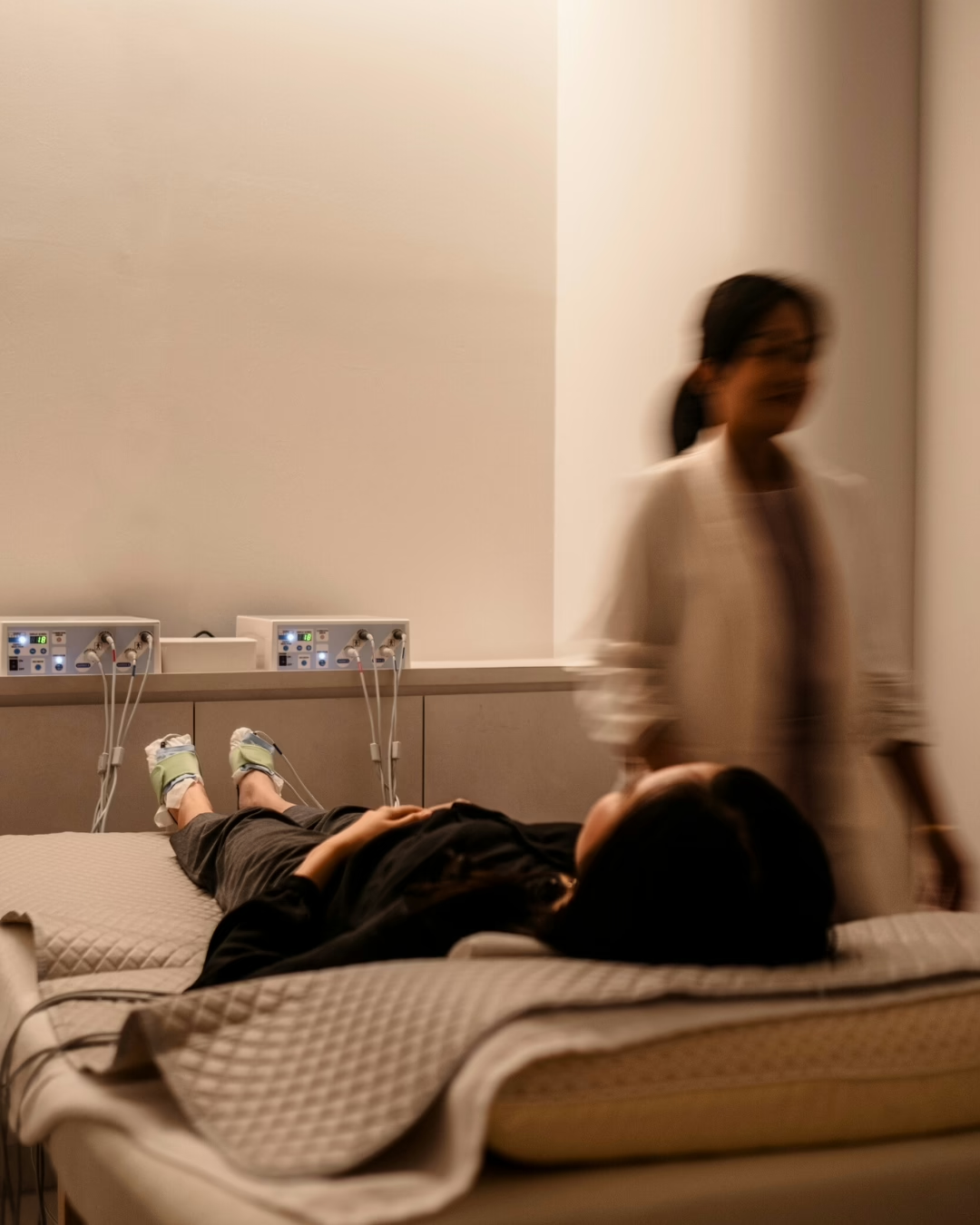
ELT is a gentle, non-invasive therapy that supports lymphatic flow and drainage. It can be helpful when the body feels heavy, puffy, or slow to recover after training, especially when deep pressure is not ideal.
CPT is a comfortable, non-invasive therapy used to support overall recovery and relaxation. It is often included as a supportive add-on for people who feel run down, tense, or need deeper nervous system recovery between sessions.
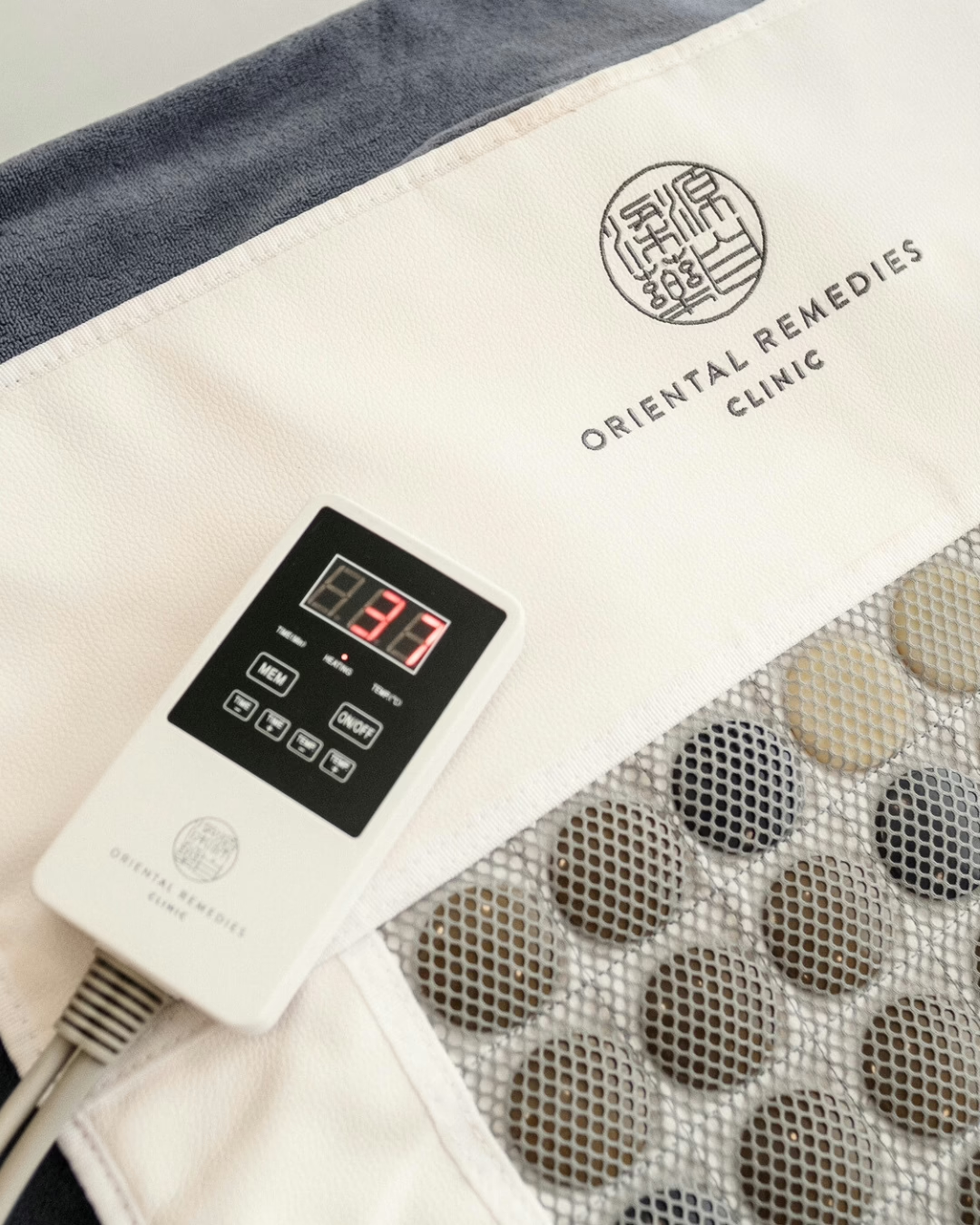
FIR therapy uses far-infrared rays to gently warm and soothe the body. It is commonly used to support circulation and help relax both the mind and muscles.
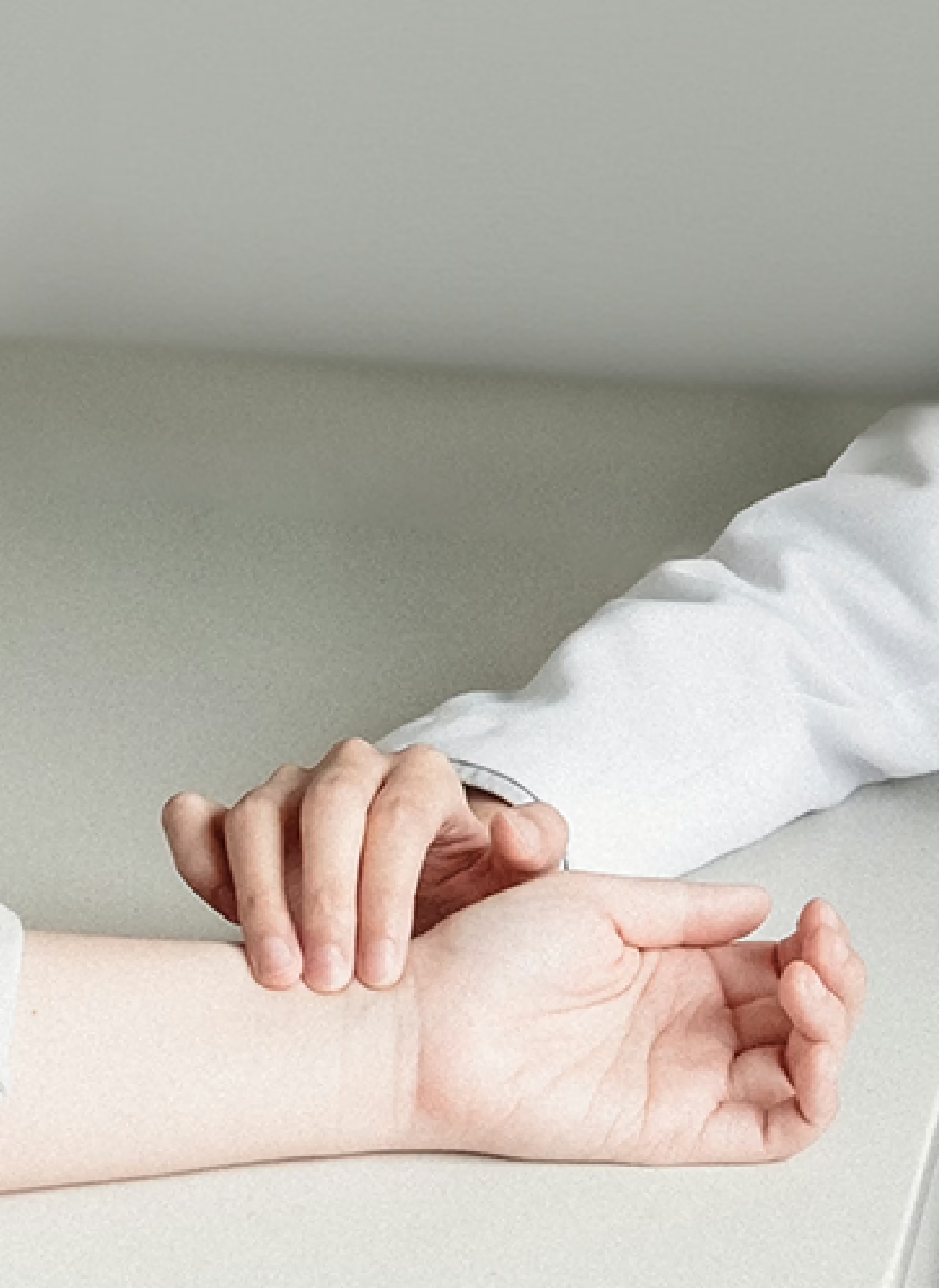
Using traditional TCM methods like pulse-taking, physical observation, and lifestyle inquiry, our physicians will assess your body constitution and identify internal factors that may be affecting recovery. We will also take time to understand your symptoms and daily routines, so your care plan is aligned with your needs.
Our physician will explain the likely root causes behind your discomfort and guide you through a personalised plan that fits your training reality. The goal is to reduce strain, support smoother recovery between sessions, and build resilience over time, not just manage flare-ups when they happen.
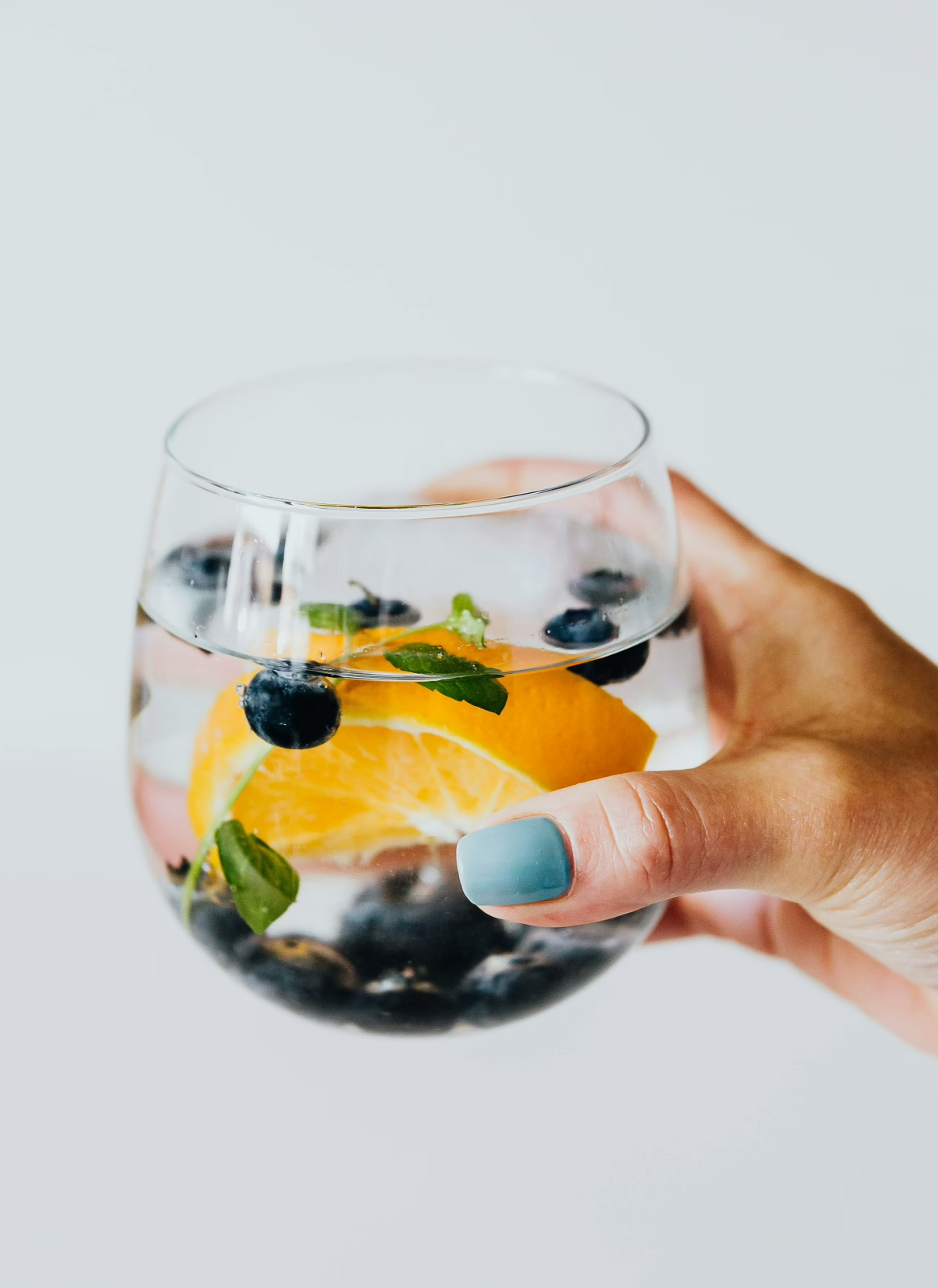
Your care extends beyond the clinic. Receive practical guidance on recovery habits, diet, rest, and simple self-care to support smoother recovery between sessions and reduce recurrence over time.
Using traditional TCM methods like pulse-taking, physical observation, and lifestyle inquiry, our physicians will assess your body constitution and identify internal factors that may be affecting recovery. We will also take time to understand your symptoms and daily routines, so your care plan is aligned with your needs.
Our physician will explain the likely root causes behind your discomfort and guide you through a personalised plan that fits your training reality. The goal is to reduce strain, support smoother recovery between sessions, and build resilience over time, not just manage flare-ups when they happen.
Your care extends beyond the clinic. Receive practical guidance on recovery habits, diet, rest, and simple self-care to support smoother recovery between sessions and reduce recurrence over time.
SUCCESS STORIES
I love this place so much. It’s so relaxing to go to and so thorough and thoughtful in their care. I saw physician Chelsea for a whole medley of issues that Western medicine has never been able to properly address — insomnia, hip pain (from an old sports injury), shoulder / neck issues, TMJ, bad circulation, horrible cramps, etc. With a combination of acupuncture, fire cupping, ELT, and herbal medicine (2x a day), I honestly am feeling better in my 30s than I ever did in my 20s! Chronic pain I thought I would just have to live forever with has improved so significantly I’ve been able to sleep and exercise with an ease I had totally forgotten was possible. Absolutely love this clinic and enjoy coming here. It is pricey, but I have been able to route it through my insurance which is a huge bonus. The folks that work here are the sweetest (shoutout to Vicky who always brings me post-treatment tea and offers advice on everything from how best to drink the herbs to massaging TMJ pain points). Highly recommend for those looking to start their holistic wellness journey! Read More
- Chef Jenny Dorsey
Being an active sportsman, I unfortunately injured my ankle, and in two weeks, pulled a ligament as well on the same leg. As a junior college student, my only grievance would be the trouble of walking slowly from one end of the campus to the other. A visit to the polyclinic was not of any relief either as they could only schedule a sports therapist session 2 months after that visit. Thankfully, my mother recommended an alternate solution, Oriental Remedies Group (ORG), to treat my crumbling right leg as soon as possible so that I can return to my usual lifestyle. From ORG, I received a clear explanation on what is causing the pain in my legs and how the treatment would be like. Within two sessions, I was ready to return back to the playing field. In my first session, I received acupuncture, where physician Leong applied the needles at the right pressure points. It was almost as if it were a miracle as all the tenseness faded away within that 20 minute session. Although I cannot say the same for my personal fear of needles, she was kind and patient to talk me through the process and comfort me while I got too nervous. Afterwards, she prescribed herbal powder to help with the recovery process. For my second session, I had a massage to further ease up the muscles on my leg. Admittedly, the massage does burn due to the herbal oil used alongside it, I cannot say for certain that the physicians did not feel the burn in their hands as well. However, I can confidently say that I am grateful for their efforts because my right leg felt rejuvenated and ready to reenter the court. ORG is really a clinic that I would recommend to my fellow peers or teammates if they were ever injured. The staff are really friendly and willing to clarify any doubts or explain certain causes for injury or pain. The clinic itself is very neat and minimalist, giving a slight “zen” feel without the visual clutter that some might think of when they picture a general practitioner’s clinic. To those who are reading this and are hesitating on treatment, I personally would say: “Don’t wait.”. Albeit problems ranging from sprains to simple body aches, it is better to prevent the physical problems from worsening in the near future. I do regret not trying to find physiotherapy earlier in life and just relying on muscle rubs which are unmistakably not as effective. On the topic of recommending treatments, I am not in a position to speak as everyone has varying degrees of injury, but I trust the physicians at ORG to prescribe to you accordingly. Lastly, to the staff of ORG, I would like to thank you all for my speedy recovery and for my positive experience during my treatment session. I will definitely revisit this clinic the next time I injure myself. (touch wood, but you get my point haha). Read More
- Regine Shalom
I have visited Oriental Remedies (OR) with various sports injuries a few times now. I learnt about OR as it was near my home and read good things about them online. Therefore, I decided to try using them to help manage my injuries Physician Leong is very friendly, helpful and knowledgeable. She has helped manage my various problems through various treatments including cupping and acupuncture. I usually feel the results of the sessions almost immediately. The staff at OR are also very friendly, customer-oriented and do not push you to purchase products or services. Their fees are also very fair. I would highly recommend their services.
- Sajivan
Went to Oriental Remedies Group to get consultation and also try the Electro-Lymphatic Therapy for the first time. I was being treated by Oscar and he really explained clearly about the treatment and what’s the function of it. Good experience and i think the ELT is definitely a good treatment for immunity, pain/inflammation and sports recovery.
- Faizal Roslan
Recommended by my insurance agent for remedy. Condition due to sports injury on right arm and left back shoulder. After 2 session of acupuncture well recover. Physician have discharge me. Injury attend by Physician Ang, well knowledge of the injury I had. Very attentive and patient. Front counter staff very friendly, will ask about condition before assign to Physician.
- Haris Yewy
I experienced left elbow pain and right wrist pain due to sport injuries. After the first treatment I do see improvement and after the second treatment I felt great. Really effective treatment and physician Lim was really professional and thoughtful.
- Stanley Tany
Very good TCM experience here. Started off with treatment of sports injury, of which acupuncture was performed and proved to be very effective. In the last consultation, tried cupping which was professionally done. Highly recommend Physician Leong. And big thumb up to the friendly staffs here.
- Ivy Wu
Physician Leong Weizhen is my go to at Oreintal Remedies. I have been seeing her for almost 2 years, starting with sports related issues and now for my perimenopause symptoms and overall well-being. Her expertise, attentiveness and patience dealing and looking into my well - being is something that I really am appreciative. Overall, I love Oriental Remedies professionalism, effectiveness, attentiveness, and I am definitely overly satisfied with the service received.
- Watee OM Lam
Since 2019, Oriental Remedies Clinic East Coast has been my go-to for staying sane and functional through work travel, stress, and sports aches. Their acupuncture, cupping, and herbal magic have rescued me more times than I can count — from tight shoulders to post-surf, post-tennis stiffness
Dr Ang Jing Yu is not just skilled, she listens, explains, and somehow reboot my system while I lie there wondering if I’ve achieved inner peace or just really excellent blood flow. The staff, YS, and Christine are wonderfully supportive, many times I’ve had to change my appointment last-minute! Thank you for your patience.
If you’re juggling a hectic life, aspiring to perform like a pro athlete in your sport, and feeling like human vs crisis, this place is the power reserve.
Pro tip: grab their pain relief plaster — it’s a lifesaver at home and makes a brilliant souvenir for aging loved ones or stress- and sports-overloaded friends (like me)
Read More
- Sarah Lila M
Sprain my ankle in sport and went to Orental Remedies. The place service and personnel are good. Physician Ang assign to my case is friendly and know her treatment. Total of 2 session and no follow up required.
- Jun Rong Ng
If you don't believe in magician, you can visit this clinic.
Had injuries with my right leg, but thanks to Dr. Kenneth and his acupuntur skill, can get back to sport again. Also thanks to friendly staff.
- Temirlan Kusmanov
Visited Orienal Remedies after seeking a couple of treatment elsewhere without success. Was assigned Physician Ang to treat my shoulder and wrist injuries from sport. Did 3 sessions of acupuncture and made great recovery. I highly recommend them for effective treatment. The staff are really friendly making you feel at ease. Physician is also effectively bilingual. 👍🏼
- Verene Mak
Chose Oriental Remedies after seeing many positive reviews and experiencing prolonged ache in right elbow. The physician assigned to me is Phy Sun Shuo who is experienced in treating sport-related injuries. She was very patient in explaining my diagnosis and treatment plans during the consultation. After 2 sessions of acupuncture with her, the discomfort in my elbow was completely gone. The staff at the clinic are also very friendly such as Yoong Sheng who helped with my registration on my first visit. Am very satisfied with the service here!
- Yin Xuan Tan
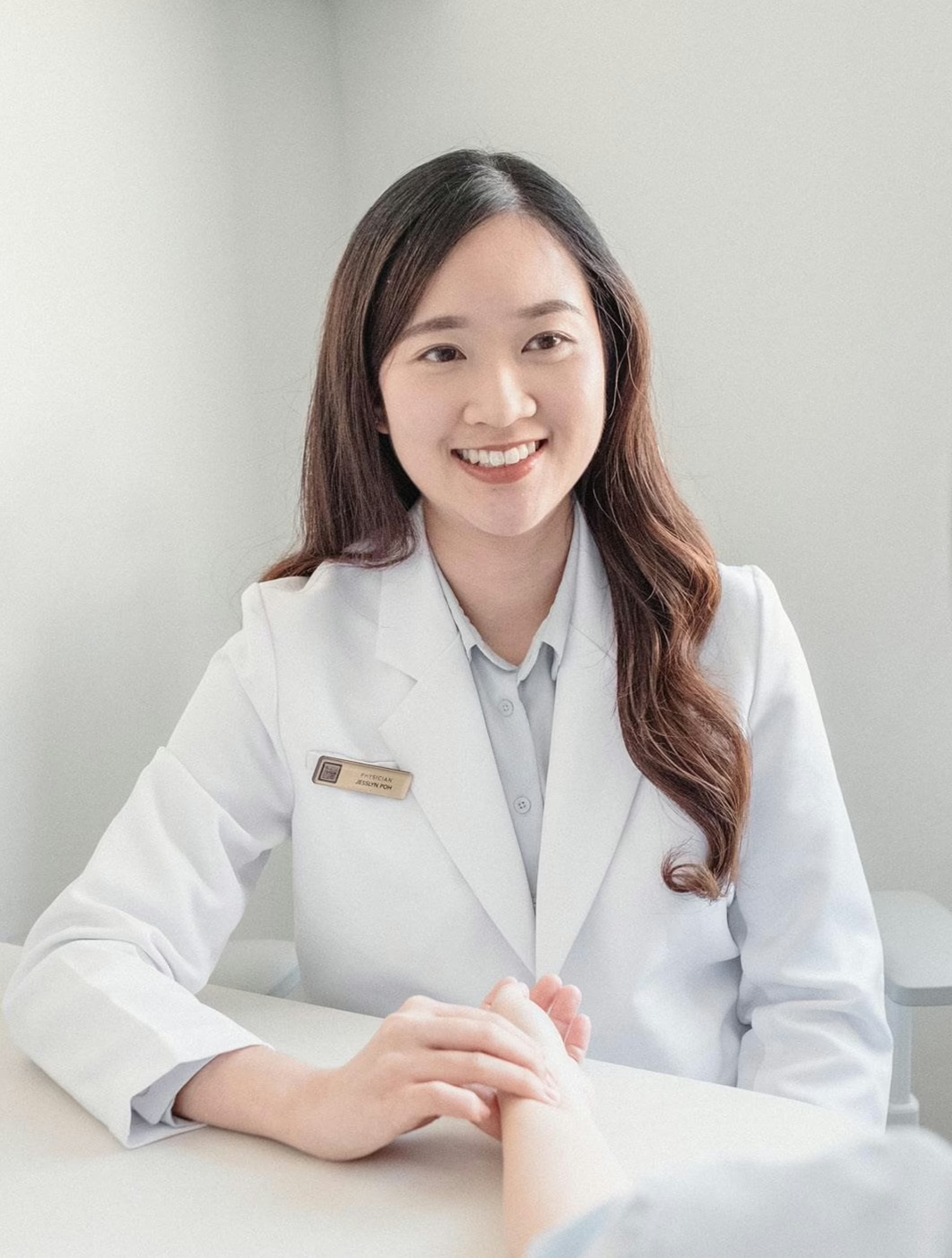
TCM can support sports performance by improving recovery quality. When your body recovers better between sessions, you can often train more consistently and comfortably over time. Your physician will tailor care based on what your body needs most right now, whether that is easing strain, supporting circulation, or rebuilding resilience.
Acupuncture is commonly used in sports recovery to ease pain and tension, support circulation, and help the body settle after exertion. This can be helpful when muscles feel tight, sore, or “stuck,” and when recovery feels slower than usual.
There is no single “best” treatment for faster recovery. Effectiveness depends on proper diagnosis, the cause of the strain or injury, and your current health state. Recovery time also depends on your own rehabilitation plan, rest, and training adjustments. Your physician will recommend an approach that fits your condition and goals.
Yes. TCM is commonly used to support recovery for concerns such as sprains, joint discomfort, and muscle strain. Your physician will advise on what is suitable for your case, especially if symptoms are severe or persistent.
If you follow the plan recommended by your physician, some people may notice improvements within one to two months. Timelines vary depending on the condition, severity, training load, and overall health.
Yes, they can be used as supportive options within your recovery plan, depending on your needs.
Electro-Lymphatic Therapy (ELT) is often used when the body feels heavy or slow to bounce back after intense sessions. It supports lymphatic drainage, which helps clear lactic acid trapped in muscles and reduce inflammation linked to micro-injuries from training. This can also help reduce delayed onset muscle soreness (DOMS), supporting more consistent training performance.
Cell Pro Therapy (CPT) is commonly recommended to support rest and recovery at a deeper level. It can help increase circulation to affected muscle tissues, support the body’s inflammation response after workouts, and reduce cellular stress generated during training.
Your physician will advise on suitability based on your condition and recovery needs.
TCM can help relieve symptoms associated with chronic fatigue or overtraining, especially when recovery is consistently falling behind training load. Prevention also matters. Appropriate technique, training intensity, posture, rest, and recovery habits all play a role in reducing recurrence.
Yes, TCM is generally suitable for both high-performance athletes and regular exercisers. Your physician will still review your condition, training context, and any relevant medical history to ensure the plan is appropriate for you.
Physiotherapy typically focuses on biomechanics and structured rehabilitation to restore strength, function, and movement patterns. TCM focuses on circulation and internal regulation, looking at factors such as Qi stagnation, Blood stasis, and meridian blockages. Many people combine both, with physiotherapy supporting functional retraining and TCM supporting pain relief and overall recovery.
Injury prevention and endurance are primarily built through proper technique, appropriate intensity, and consistent training. TCM can support the recovery side by helping your body repair more smoothly after training stress or injury, which may make it easier to stay consistent over time.
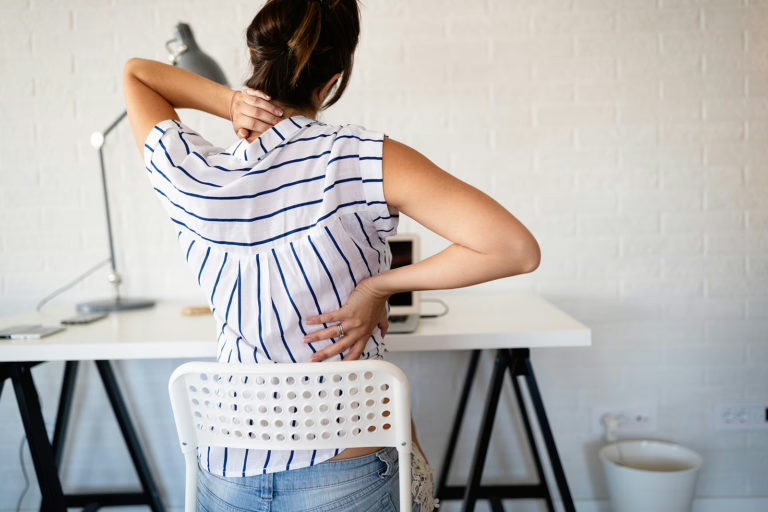
Understand and Relieve Your Back Pain with TCM
® 2026 Oriental Remedies. All Rights Reserved