EVERY CANCER JOURNEY IS DIFFERENT. OUR PERSONALISED CARE COMBINES TCM AND TECH-ENHANCED THERAPIES, TAILORED TO WHAT YOUR BODY NEEDS MOST FOR GREATER COMFORT THROUGH TREATMENT, RECOVERY AND BEYOND.
Cancer care focuses on managing the side effects and challenges that arise during treatment, supporting overall well-being, comfort and daily function throughout the process.
TCM works alongside conventional cancer treatments such as chemotherapy and radiotherapy, helping patients manage concerns like fatigue, nausea, pain, appetite changes, impaired immunity, hot flashes and sleep disturbances. Rather than replacing existing medical care, TCM supportive care complements it — tailored to each patient’s body constitution, symptoms and treatment stage.
Support can be sought at any point in the cancer journey: before treatment begins, during active treatment, after treatment is completed, or as part of ongoing palliative care to maintain comfort and quality of life.
Some patients seek supportive care before treatment begins — using the time to strengthen the body’s resilience and prepare for the demands of chemotherapy or radiotherapy ahead.
This is often when support is needed most. TCM helps patients manage fatigue, weakened immunity, hot flashes, nausea, appetite changes and sleep disturbances — so they can cope better and maintain strength through each stage of treatment.
Recovery doesn’t end when treatment does. Supportive care helps patients rebuild strength, restore energy and address lingering concerns such as fatigue, numbness or digestive changes as the body finds its way back to balance.
In TCM, cancer support is rooted in restoring overall balance by understanding each patient’s body constitution, symptoms and treatment stage. Rather than focusing on the disease alone, TCM supports Qi and Blood to address the fatigue and weakness often associated with cancer and its conventional treatments.
Digestion is viewed as an important source of energy and resilience. Supporting digestive function helps the body absorb nutrients, rebuild strength and cope better through treatment and recovery. Pain, sleep and emotional well-being are also considered when understanding an individual’s condition.
Through therapies such as Acupuncture, personalised herbal medication and suitable supportive therapies, TCM helps manage pain, support sleep and address underlying disharmonies — improving quality of life throughout the cancer journey.
Persistent tiredness and reduced stamina
during and after treatment.
Difficulty eating, food aversions and digestive discomfort triggered by treatment.
Aches, numbness and physical tension arising from treatment or the condition itself.
Temperature sensitivity and disrupted sleep commonly associated with hormonal changes during treatment.
Weakened immunity, water retention and circulation-related concerns, including lymphoedema.
The psychological toll of a cancer diagnosis and treatment, affecting overall well-being and recovery.
Our treatments work alongside your existing medical care, tailored to what your body needs at each stage — whether that’s managing treatment side effects, rebuilding strength, or maintaining comfort during recovery. We recommend informing your oncologist or medical team before starting TCM, so your care remains well-coordinated throughout.
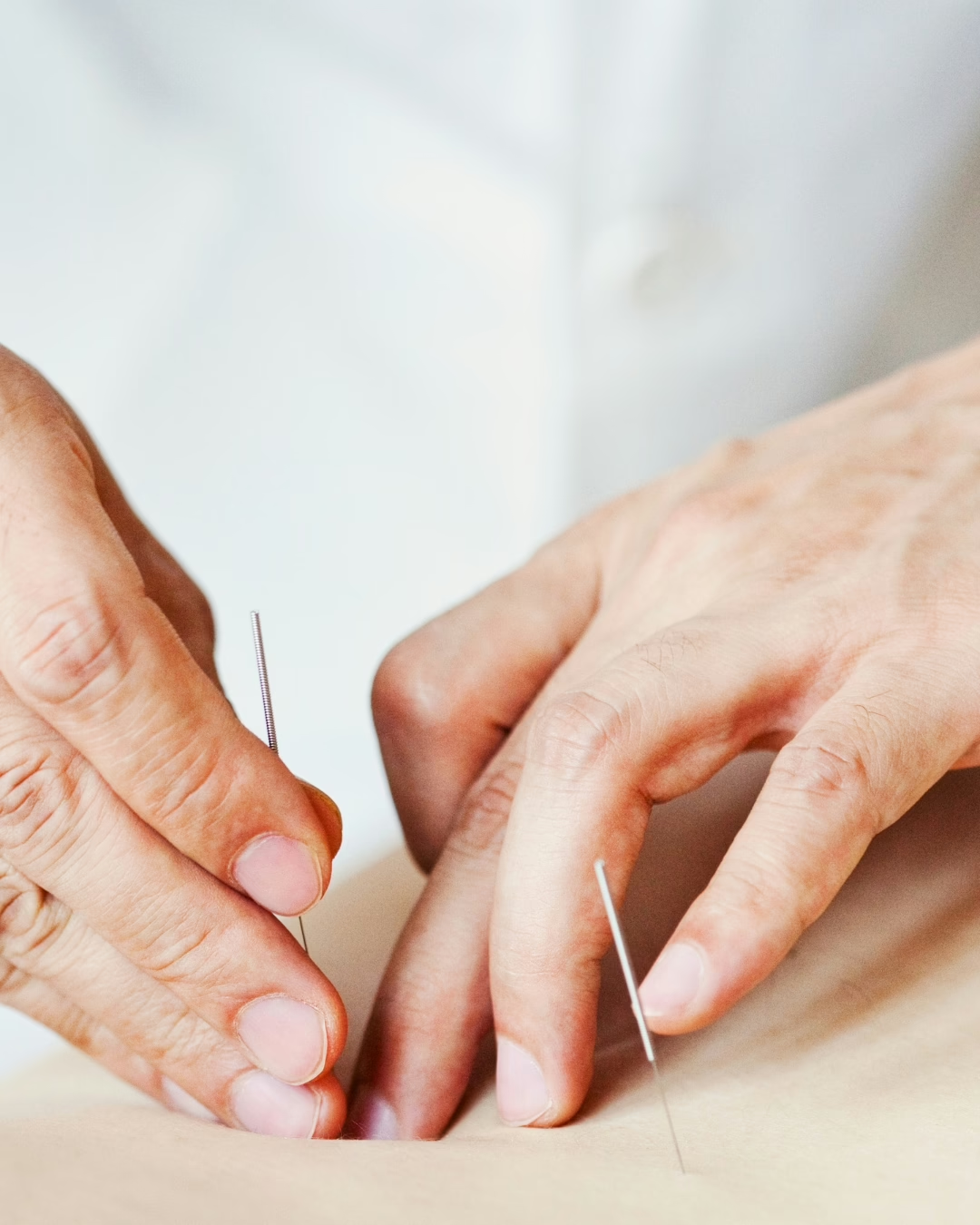
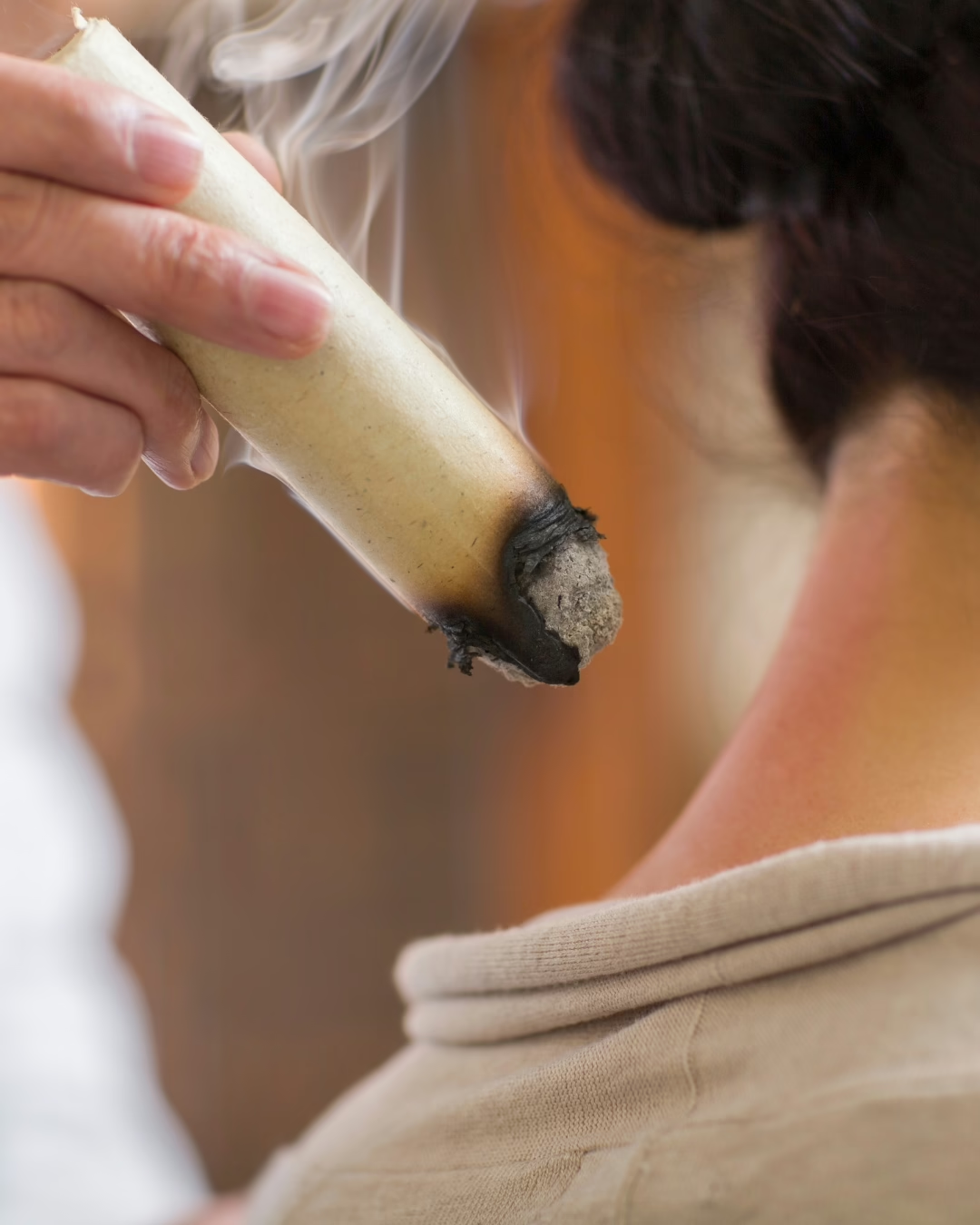
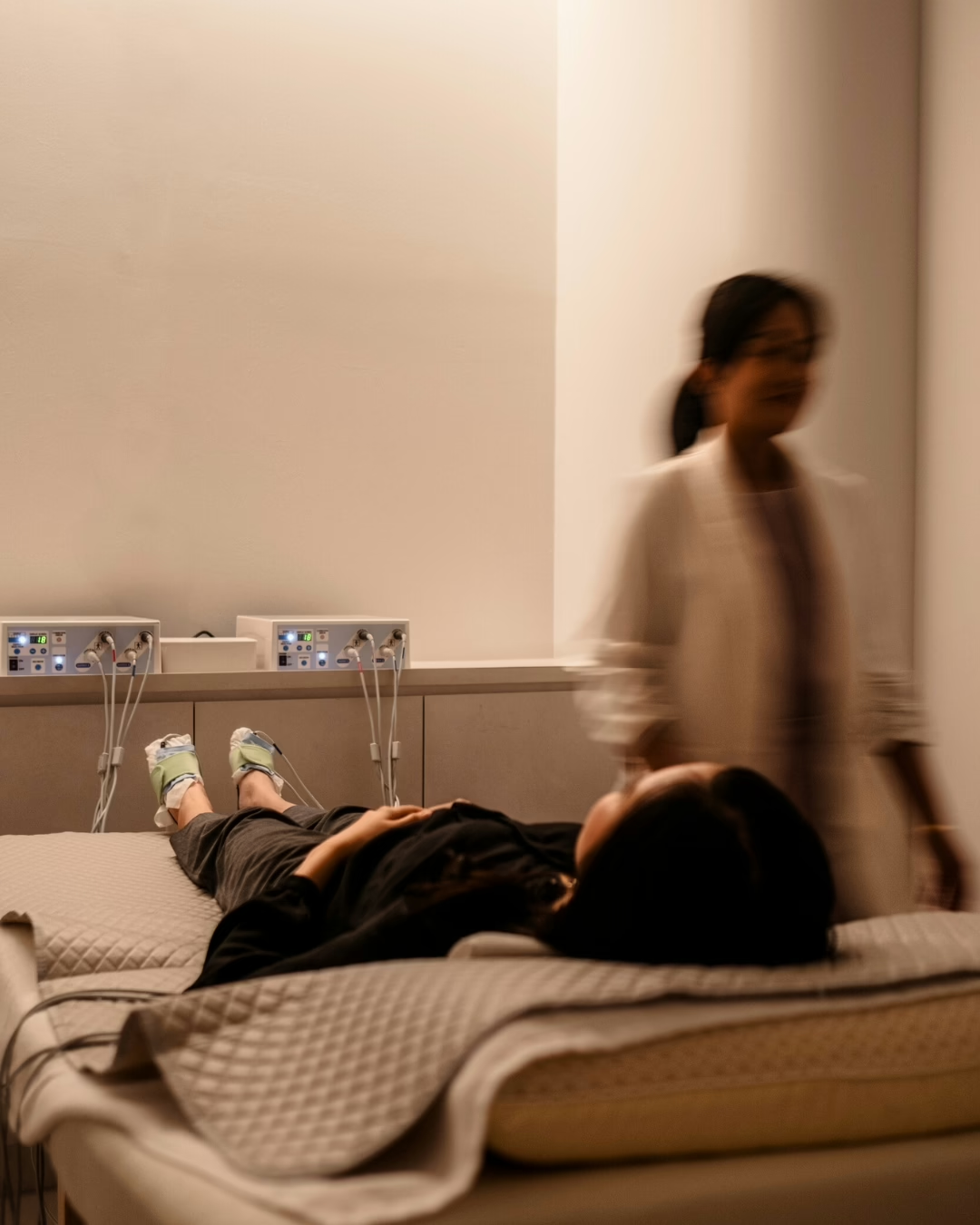
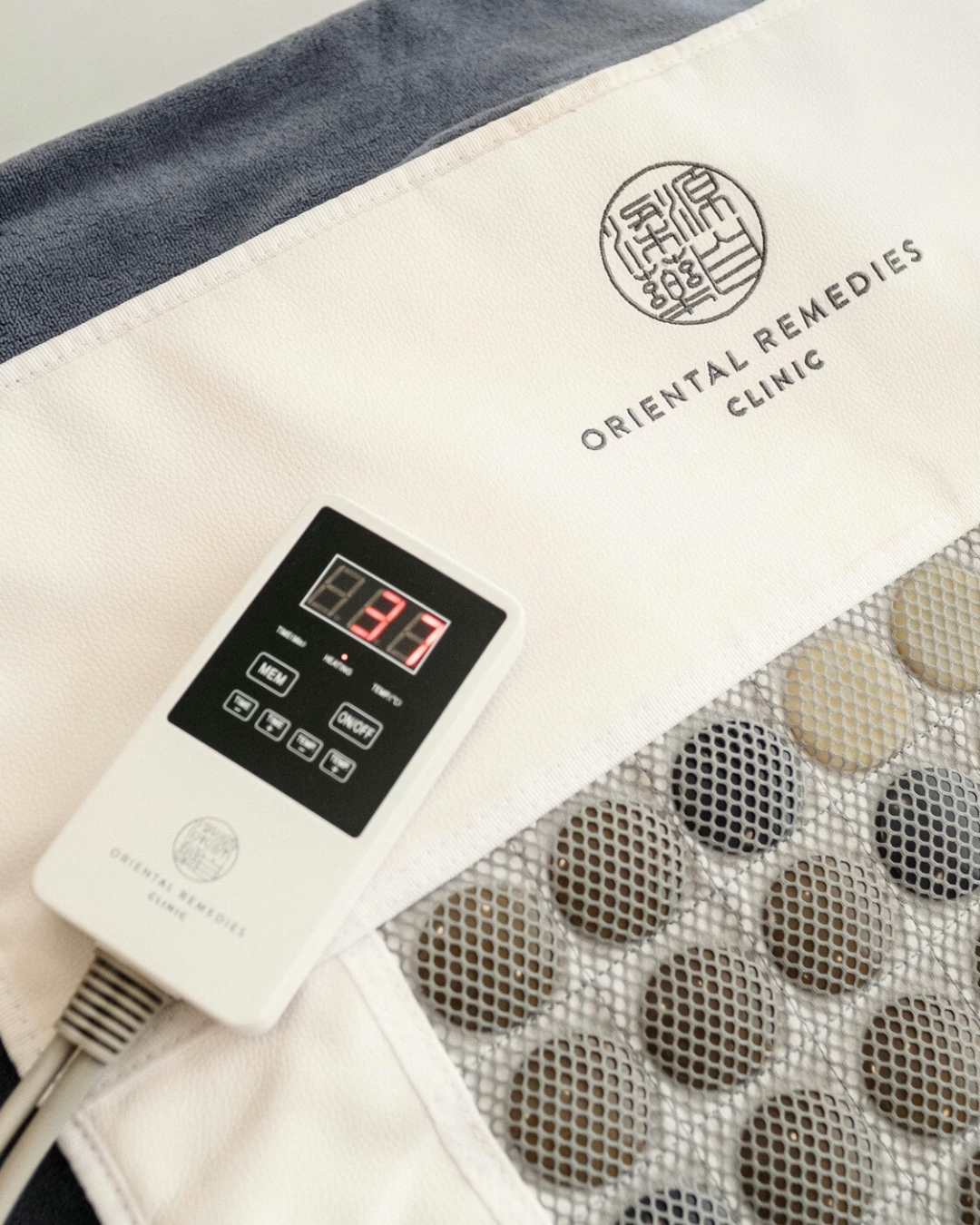
Acupuncture involves stimulating selected acupoints to regulate Qi and Blood flow, support circulation and calm the body. For cancer supportive care, treatment is tailored according to the patient’s symptoms, energy levels and stage of treatment or recovery.
BENEFITS:
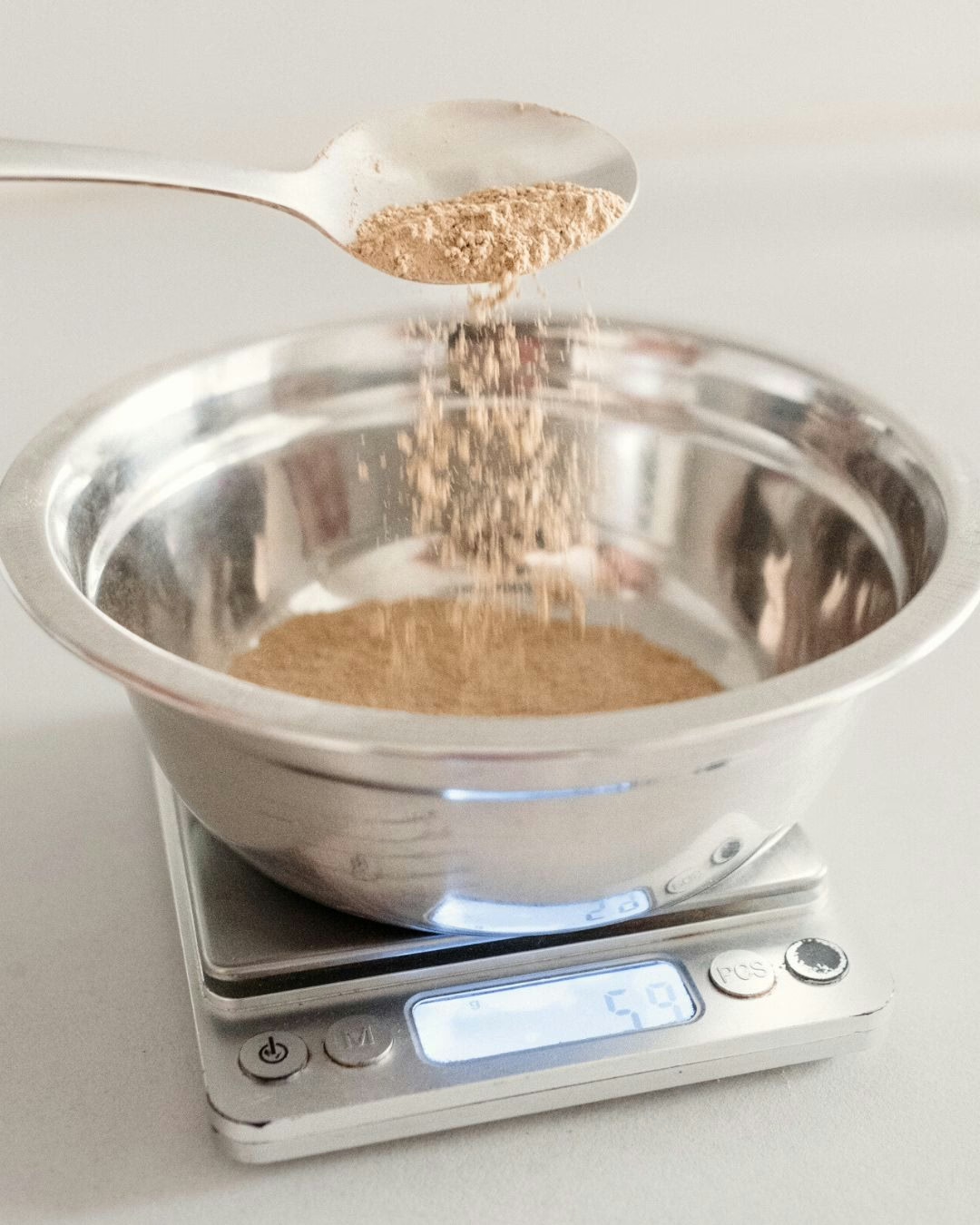
Herbal formulas are prescribed according to your constitution, symptoms and treatment stage — and always tailored around your existing treatments and medications. Where herbal medication is not suitable, your physician will advise on alternative approaches to support your recovery.
BENEFITS:
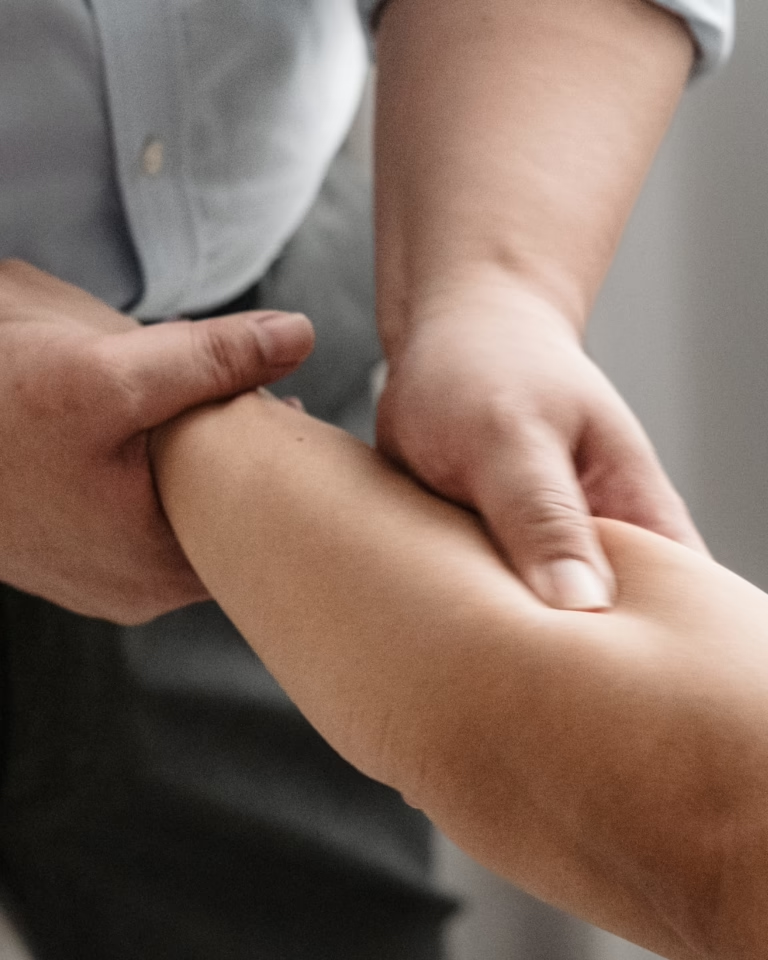
Precision Tuina is a physician-led manual therapy that applies targeted pressure and techniques to specific areas of the body. Unlike general massage, treatment is assessed and administered by your physician — focusing on areas of tension, discomfort or restricted movement based on your condition and stage of recovery.
BENEFITS:
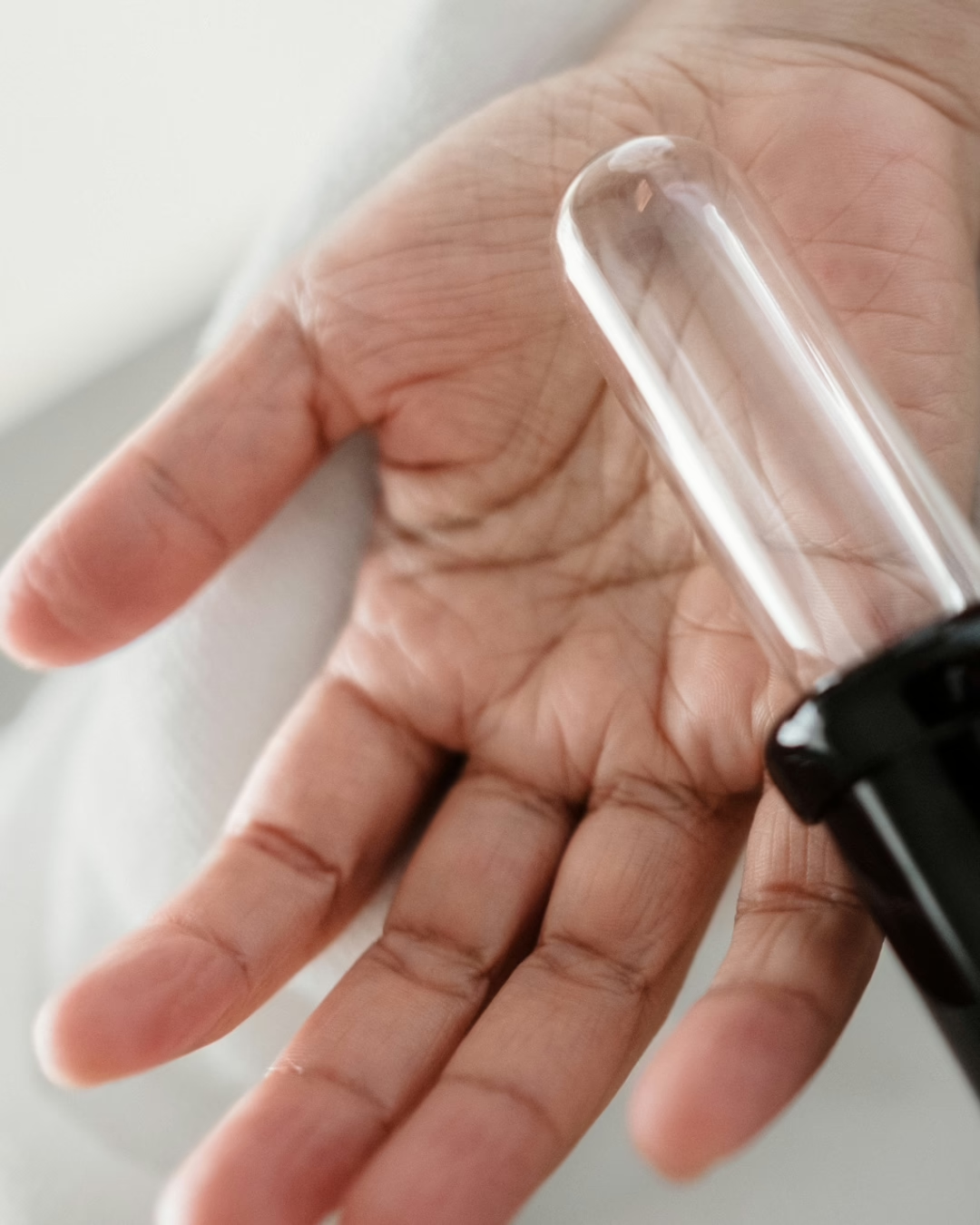
ELT is a gentle, non-invasive therapy that uses specialised glass probes to stimulate lymphatic drainage, reduce fluid retention and support immune function. For cancer patients, ELT is particularly helpful in managing swelling, inflammation and fatigue that commonly arise from surgery, chemotherapy or radiotherapy.
BENEFITS:
CPT is a gentle, non-invasive therapy that uses negative ions to support your body’s natural balance and recovery. Negative ions have antioxidant effects — supporting wellness at a cellular level, strengthening your body’s natural defences and helping it cope better through the demands of treatment and recovery. Painless and deeply relaxing, CPT is a restorative form of support that complements your existing care plan.
BENEFITS:
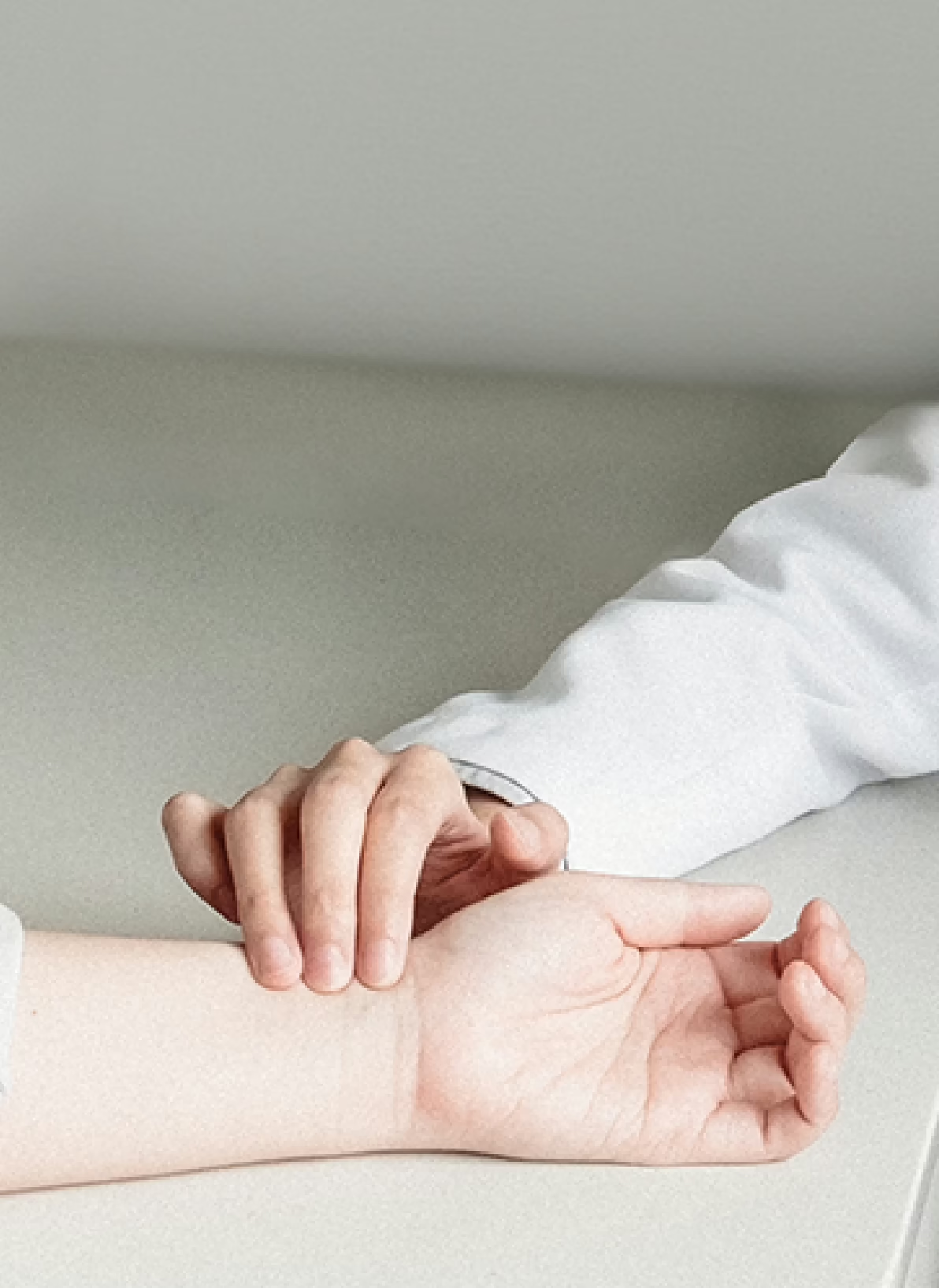
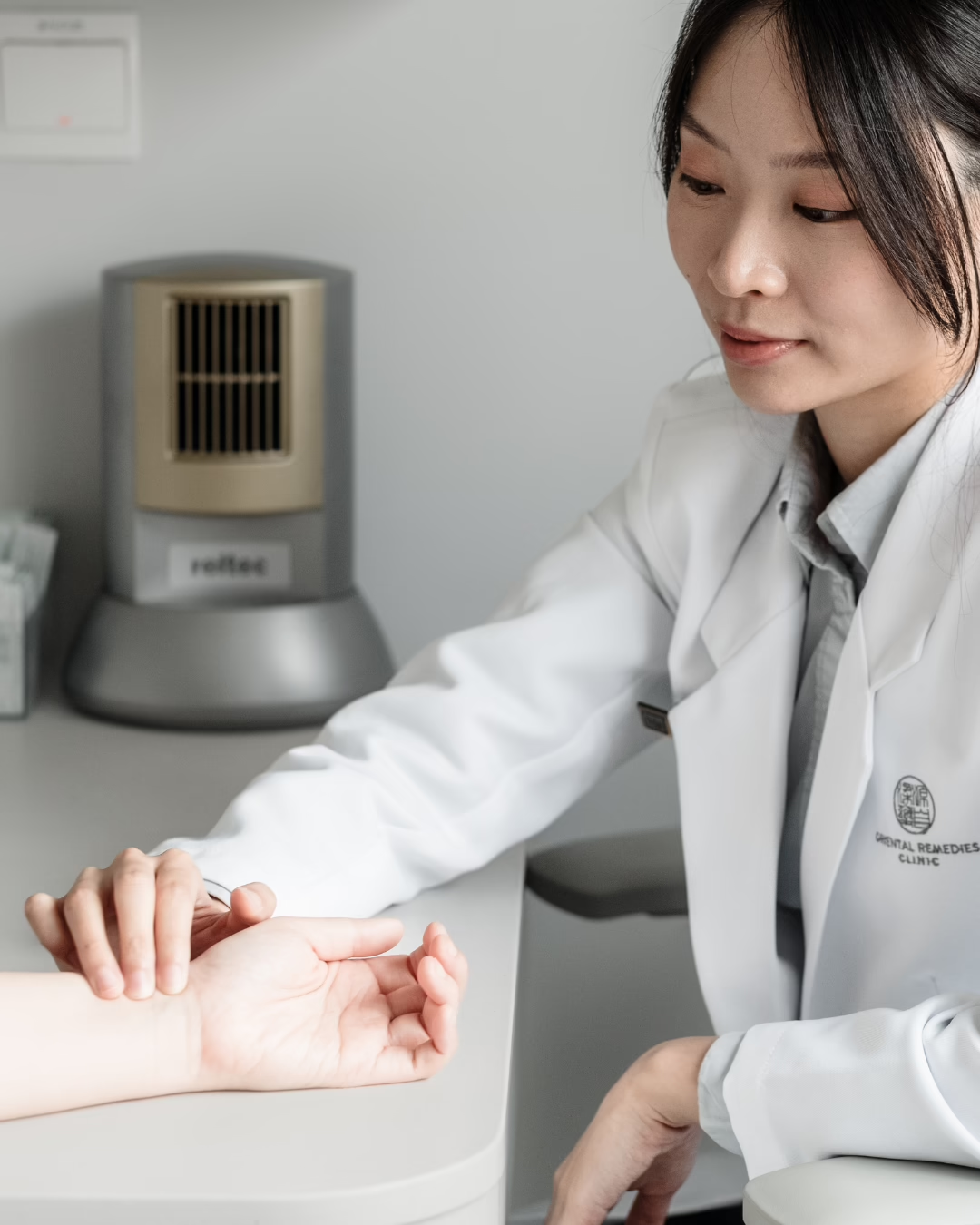
Using traditional TCM methods such as pulse-taking, physical observation and lifestyle inquiry, our physicians will assess your body constitution, symptoms and recovery needs.
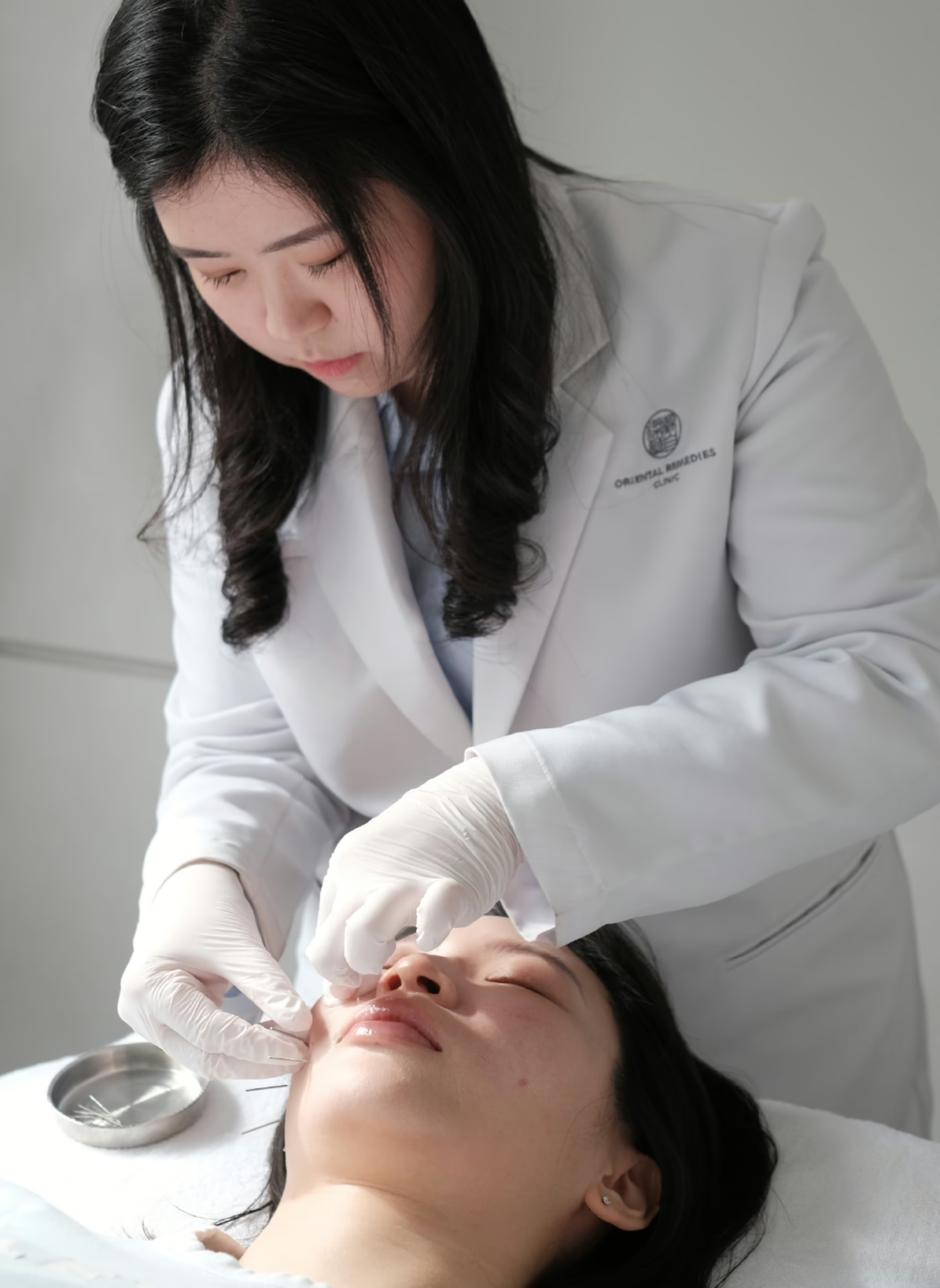
Our physicians will guide you through a supportive care plan tailored to your condition, treatment stage and recovery needs, coordinated around your existing cancer treatments.

As your condition evolves, your care plan is reviewed and adjusted to remain relevant at every stage of your cancer journey. Practical lifestyle suggestions are also shared to support your comfort and recovery.
Using traditional TCM methods such as pulse-taking, physical observation and lifestyle inquiry, our physicians will assess your body constitution, symptoms and recovery needs.
Our physicians will guide you through a supportive care plan tailored to your condition, treatment stage and recovery needs, coordinated around your existing cancer treatments.
As your condition evolves, your care plan is reviewed and adjusted to remain relevant at every stage of your cancer journey. Practical lifestyle suggestions are also shared to support your comfort and recovery.
SUCCESS STORIES
*Stories featured here are taken from Google reviews.
I had already known about Oriental Remedies Group as my sister had recommended them to me before. However, after being diagnosed with breast cancer, I immediately went down to the clinic to seek the physician’s professional advice and other ways to help me.
Between the diagnosis and surgery, Physician Leong recommended a detailed treatment plan to prepare my body for the upcoming surgery. It was a combination of treatments of ELT, Negative Ion Therapy and Herbal Medication. When I underwent the surgery, it was a very smooth one and the doctor only removed one main tumor and a smaller one.
After my surgery, I continued to seek regular treatments at the clinic. These treatments helped to encourage better circulation and reduce oxidative stress in my body. The ELT sessions reduced the congestion in my lymphatic system too. It helped my body to recover faster and regain back my energy levels. Overall, I had better energy levels and the road to recovery was smooth. My friends even told me that I looked much healthier! Even till today, I am still undergoing different treatments/therapies in the clinic as I know that my body is benefiting from them.
The team at Oriental Remedies Group supported me a lot and helped me to cope with my worries or anxiety throughout the whole process of my treatments and surgery. They were very helpful and reassuring. Physician Leong is very friendly and pays a lot of attention to my progress, helping me greatly with my recovery journey. Weiling and Shimin have also helped me a lot as therapists for my ELT sessions. Very thankful for all of them.
I recommend others to visit Oriental Remedies Group for their health issues, be it for pain management or cancer support as they are very professional and experienced.
Read More
- Susie Teo
After being diagnosed with breast cancer (stage 2-3), I had a surgery (mastectomy) within 3 weeks. I was very lucky that the cancer cells were 'contained' and did not spread to other areas. The doctor recommended chemotherapy, radiotherapy & oral medications over a course of 5 years.
I opted out of chemo as I knew it would bring more harm to my body. I decided to just go for radiotherapy and oral drugs, also seeking other alternative treatments to help improve my condition (e.g. Negative Ions, supplements, TCM & other forms of therapies).
While Googling for complementary/alternative treatments, I came across a blog post which mentioned Electro-Lymphatic Drainage Therapy (ELT) and its effectiveness. As such, I decided to give it a try and booked an appointment at Oriental Remedies Group.
The clinic had a very convenient location for me. When I first arrived, it did not look like a traditional TCM clinic. It was modern and had a very nice & cosy atmosphere. I was attended to by Physician Leong, who is very nice, friendly & professional. She was very patient and answered all my questions with great attention to detail.
After my cancer surgery, which involved removing lymph nodes, I felt swelling and tightness at my underarm area. Physician Leong recommended ELT sessions to reduce the inflammation and improve the lymphatic circulation throughout my whole body.
I was pleasantly surprised as the ELT sessions worked very well for me and I felt great! The difference was significant—I no longer had pain and tightness around my chest and arm area. I could feel my muscles become more relaxed and my body getting better. I have done over 20 ELT sessions to maintain my wellness and also taken herbal medication from the clinic to keep me in optimal condition.
I highly recommend ELT for those who haven't tried it. Oriental Remedies Group is the only TCM clinic to provide this treatment in Singapore. I also recommend the Mi Energy Therapy, which uses Negative Ions to help target specific issues and boost your immune system.
For the cancer warriors out there, I encourage you to stay positive and believe in yourself. Besides conventional treatments, be open to trying complementary or alternative therapies that might help you. I believe all these treatments added up and supported my road to full recovery.
It has been nearly 3 years since my surgery, and I have been seeking treatments at Oriental Remedies Group for almost 2 years. So far, my medical check-up results have all been very good and stable.
I have since recommended Oriental Remedies Group to my family and friends for their various ailments, and they have all benefited greatly from seeing the physicians there. They all gave very positive feedback after their treatments. It has been a wonderful experience for me at Oriental Remedies Group, and Physician Leong has become a dear friend to me.
Read More
- Elsie Kee
With my friend's recommendation, I went to Oriental Remedies Group at the start of 2019 shortly after they opened their branch in the East, as it was nearer to my home. I was trying to control my ovarian cancer at that time and sought help from Physician Leong.
She was very helpful and caring during the consultation, explaining her diagnosis clearly and answering my questions in layman's terms so I could easily understand. She was also very friendly and cheerful, making it easy for me to relate to her.
I underwent both Negative Ion Therapy and ELT treatments while taking the herbal medication she prescribed. The therapists were all very caring and professional during the ELT sessions. Physician Leong also adjusted my herbal prescription regularly based on how my body responded, ensuring the treatment suited my condition and needs.
ELT helped relieve some of my joint pain, while the Negative Ion Therapy gave me more energy.
Although I eventually had to return to chemotherapy after some complications arose, I remain very thankful for the care and advice I received. I would definitely recommend anyone to visit Oriental Remedies Group, and I look forward to consulting Physician Leong again when she is able to return to the East Coast clinic after the restrictions are lifted.
Read More
- Chan Su See
Physician Leong has been prescribing medication and suggested me to do elt and neg ion. She explains very well on what she wants to do and how to go about it coming out a treatment plan catering to me for my breast cancer. She also gave me alot of encouragementand be positive,to think in a bright way. My elt therapist Joan is very patient, accommodative and give positive thoughts,concerningabout how the programmes going on. I can see her care for me and peopleorientated person. I would like to thank all the staffs on oriental remedies group as they are very friendly and caring people.
- Halo Angel
I was diagnosed by Western medicine with stage 4 lung cancer. My daughter found Physician Liang online, and I decided to visit Oriental Remedies Group for a consultation. After reviewing my reports, Physician Liang recommended Electro-Lymphatic Drainage Therapy (ELT) and Negative Ion Therapy.
Within a short period of time, I completed 17 ELT sessions together with Negative Ion Therapy. Less than a year later, I returned to the hospital for a follow-up examination. The CT scan showed that the cancer cells in my stomach and neck lymph nodes had disappeared, while the lung cancer cells had also shrunk.
I am truly grateful to have met Physician Liang. She is kind, cheerful, and always brings positivity to her patients. I would also like to thank Su Ann, the therapist who helped me with every lymphatic drainage session, as well as Fei, Mandy Ang, Banu, and every member of the team. Everyone at the clinic has been kind, caring, and always willing to help.
To all cancer warriors, I want to say that cancer is not a death sentence. Maintain a positive mindset, stay cheerful, and face the condition with courage. Accept it as a challenge for your body rather than letting it define you. I believe that with optimism and proper care, your condition can improve.
Finally, I would like to thank everyone at Oriental Remedies Group. I wish all of you good health, happiness, and continued success.
Read More
- Gek Muay Soom
I have been seeing Physician Foo for cancer support and felt lesser side effects from radiation therapy and operation. Highly recommend her.
- Yueyi Chua
As a patient of stage 4 neuroendocrine cancer, I have been seeing the physician and doing weekly ELT treatment for a year. I also tried the negative ion treatments and decided to buy one at home. The physician and ELT therapists are very friendly and helpful, the environment is comfortable and makes you feel welcome. Definitely will recommend to friends who need to see TCM for health improvements.
- Woodybear Canon
As someone who has been managing chemotherapy side effects for the last two years, I can confidently say that ELT and CPT at Oriental Remedies have been game-changers. A huge part of that is thanks to my physician, Leong Weizhen, and therapist, Su Ann.
I have tried a few therapists, but Su Ann remains my preferred therapist for ELT. She is not only gentle and knowledgeable but also possesses a rare level of attentiveness that truly makes a difference. As one of the more senior therapists, her expertise is evident, but it is the little things that set her apart.
She pays close attention to my discomfort and injuries, always checking in to see if I'm in pain or even just feeling cold. She offers me water, explains my condition clearly, and shares valuable advice on nutrition and wellness.
It is these thoughtful details that make her exceptional and why I specifically request her for my sessions. She has my highest recommendation.
Read More
- Clara Tan
I've been seeing Physician Ang to boost my immunity & chronic inflammation after chemotherapy treatment. She's very detailed and explained with patience during my consultations with her. After 3 weeks of chinese herbs,I could feel that my body is more energetic and I don't feel the usual hot flush in my body anymore. The consultants here,especially Christine is always friendly with a warm welcome everytime I'm here. I would recommend anyone who wants to condition their body the natural way to try out this clinic!
- Charmaine Kee
Came to Physician Leong for post-cancer treatment support for about 1.5 years now. The tcm medication, ELT and CPT are excellent in my energy and health recovery. Their clinics at Cuppage and Upper Thomson are cosy and comfortable, and I always received warm and friendly service from them (eg. Vicky). Highly recommended.
- Cat Lim
Yes, many patients seek TCM support alongside their existing cancer treatments. Our physicians tailor recommendations based on your condition, treatment stage and overall well-being, with supportive care adjusted according to your individual needs throughout treatment and recovery.
Yes, TCM supportive care is generally safe when provided by a qualified physician. Recommendations are tailored to your condition, medical history and treatment stage, and care will be coordinated with your primary medical team, especially if herbal medication is involved.
Yes. It is important to inform your oncologist before starting TCM care, particularly if you are taking prescribed medications, herbal medication or supplements. This helps ensure your care remains well coordinated throughout your treatment journey.
Patients commonly seek support for fatigue, nausea, appetite changes, weakened immunity, hot flashes, aches, numbness, inflammation, water retention, lymphoedema-related concerns, sleep disturbances and overall recovery support. Recommendations are tailored to the individual’s symptoms, treatment stage and overall condition.
No. Patients may seek supportive care before treatment begins, during active treatment or after treatment has been completed. Supportive care can be integrated at different stages of the cancer journey depending on the individual’s needs and recovery needs.
Yes. Every patient’s condition, treatment plan and recovery process is unique. Supportive care recommendations are tailored according to the patient’s symptoms, treatment stage, constitution and overall recovery needs.
Yes. Supportive care approaches are adjusted according to the patient’s overall condition, energy levels and treatment stage. Our physicians will assess your current state of recovery before recommending suitable therapies based on your individual needs.
Yes. Supportive care needs often evolve over time. Recommendations may be adjusted before treatment, during active treatment and throughout recovery to better support the patient’s changing condition and symptoms.
Patients are encouraged to share relevant medical history, ongoing treatments, medications, supplements and recent medical reports where available. This helps the physician gain a better understanding of your condition and provide recommendations that are tailored to your care needs.
Yes. Supportive care recommendations can be planned around your treatment schedule and adjusted according to your symptoms, energy levels and overall condition throughout the treatment journey.
Yes. Many patients continue supportive care after completing cancer treatment as part of their recovery and rehabilitation plan. Ongoing support may focus on overall well-being, recovery from treatment-related symptoms and maintaining resilience throughout the recovery process.
Coping with Psychological and Emotional Effects of Cancer on Patients and Their Families – The Mind-Body Connection
® 2026 Oriental Remedies. All Rights Reserved