TCM for Cough: Understanding Persistent Symptoms and Natural Relief

5 March, 2026
Key Takeaways
- Traditional Chinese Medicine (TCM) addresses persistent coughs by first examining symptom patterns, environmental factors, and an individual’s constitution.
- Coughs are either induced by external pathogens or caused by internal imbalances.
- TCM remedies for cough include Acupuncture, herbal formulas, Food Therapy (食疗), and tech-enhanced therapies such as Cell Pro Therapy (CPT) and Electro-Lymphatic Therapy (ELT).
Understanding the Root of a Lingering Cough
What is Considered a Persistent Cough?
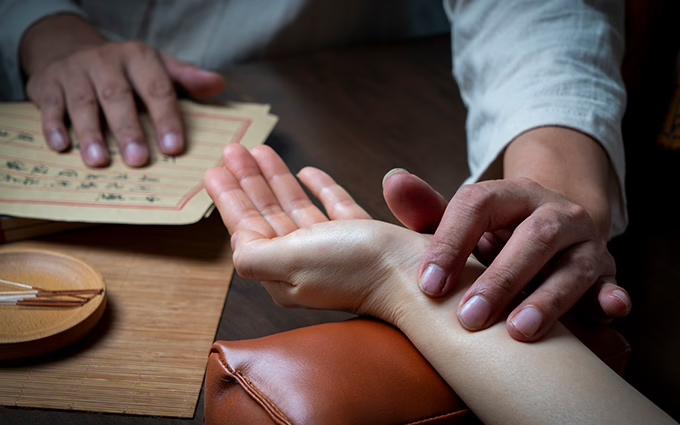
- The nature of the cough
- Environmental influences
- Characteristics of phlegm
- The individual’s constitution
Types and Causes of Cough in TCM
1. Cough Induced by External Factors (外感咳嗽)
In TCM, certain types of cough can be caused by or linked to external environmental influences such as Wind, Cold, Heat, and Dryness. Coughs of this nature often develop suddenly and may vary in presentation depending on the specific trigger.
Common patterns include:
- Wind-Cold Cough: Often presents with symptoms like chills, aversion to cold, and clear or white phlegm. It may occur more frequently in air-conditioned environments or during colder seasons[2].
- Wind-Heat Cough: This type of cough may come with a sore throat, thick or yellow phlegm, and low-grade fever. It is commonly associated with exposure to warm or humid environments[2].
- Wind-Dryness Cough: Characterised by a dry, scratchy cough with little or no phlegm. This is sometimes observed during hazy periods or in environments with low humidity[2].
TCM treatments for externally induced coughs usually aim to address the external influences and support respiratory comfort. Food therapy, for example, is commonly used as a complementary approach. Some recommendations include:
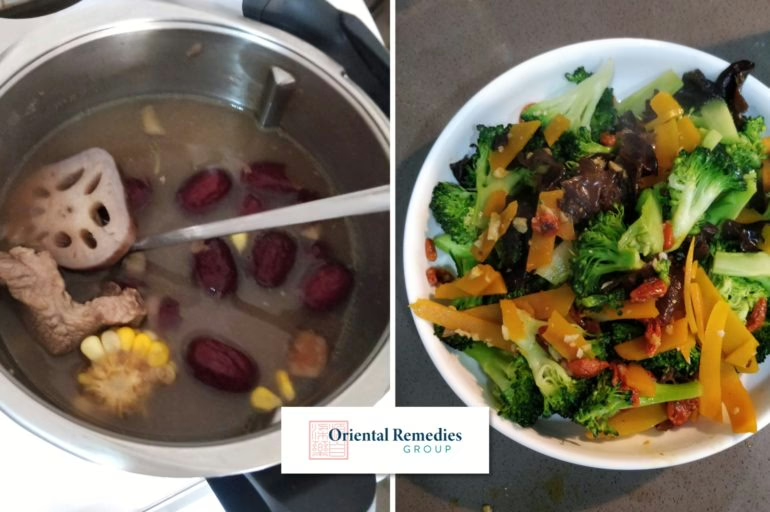
- Snow fungus and pear soup, which moistens the lungs and dispels heatiness[3]. This makes it particularly suitable for Wind-Dryness coughs.
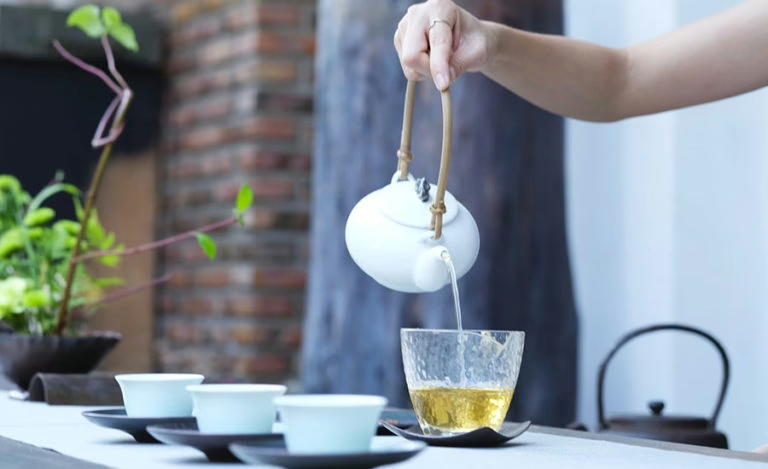
- Chrysanthemum tea for Wind-Heat cough due to its ability to clear heat and detoxify the lungs[4].
2. Cough Caused by Internal Imbalances (内伤咳嗽)
Coughs stemming from internal imbalances often develop slowly and are more likely to become chronic. These may involve factors such as imbalances in the Lungs, the accumulation of phlegm and Dampness, or a deficiency in Yin.
They may present as:
Damp-Heat Cough:
Associated with thick, yellow phlegm that may be tough to expel. This pattern is common in hot, humid climates[5] like Singapore’s, or after the consumption of rich or oily foods.
Liver-Fire Cough:
Characterised by sudden coughing spells and minimal phlegm. This type of cough is often associated with periods of high stress or irritability[5].
Lung Yin Deficiency:
A dry cough with little or no phlegm, often experienced during recovery from illness or in individuals with naturally dry constitutions[6].
Phlegm-Damp Cough:
Typically presents with a chronic, lingering cough accompanied by sticky, white phlegm that feels difficult to fully clear. Symptoms may worsen in humid environments or after consuming cold, sweet or greasy foods, as these can further contribute to Phlegm and Dampness accumulation in the body[7].
TCM for chronic cough focuses on restoring internal balance and supporting the body’s own healing processes. Common therapies include:
Acupuncture
Fine needles are inserted into the body at specific acupoints to help regulate Organ systems, promote the flow of Qi, and enhance circulation. In TCM, smooth Qi flow and improved circulation help with chronic cough because they restore balance in the Lungs, disperse stagnation and support the body’s ability to expel phlegm and pathogens.
Cell Pro Therapy (CPT)
CPT involves the delivery of reducing electrons through the skin to support cellular activity. By supporting cellular metabolism, it helps the body defend against daily stressors, restore internal balance, and support immune function[8][9].
Electro-Lymphatic Therapy (ELT)
ELT is a non-invasive method designed to improve lymphatic circulation. Enhanced lymphatic flow aims to support the body’s natural detoxification processes and immune function. In TCM, ELT may be used in conjunction with other TCM therapies for cough, such as acupuncture and herbal medicine[10].
Herbal Medication
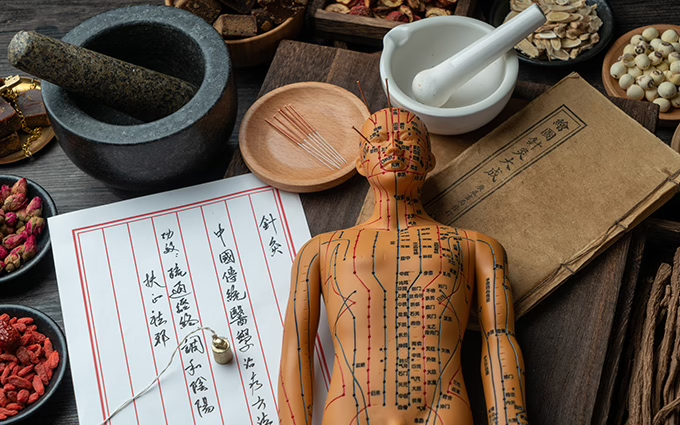
- Dried Tangerine Peel (陈皮): This herb is known to relieve coughs associated with Phlegm-Damp obstruction in the Lungs. It helps regulate Qi, dry Dampness and support the body’s natural process of clearing phlegm, making it suitable when a cough feels heavy or congested.
- Semen Armeniacae Amarum (杏仁): Also known as bitter apricot seed, it is a classic herb in TCM used to relieve cough and wheezing. It works by directing Lung Qi downward hence stopping cough, and moistening the intestines.
- Lily Bulb: Particularly known for replenishing Yin and moistening the Lungs. It is considered excellent for dry coughs, sore throats and a general feeling of dryness in the respiratory system.
TCM for Cough: An Integrative Path to Supportive Care
If you’ve been managing a persistent cough that hasn’t responded well to conventional approaches, consider exploring TCM as a complementary approach for long-term relief. At Oriental Remedies Clinic, our physicians are trained in both Biomedical Science and Traditional Chinese Medicine. We take a comprehensive approach when assessing symptoms, considering a wide range of contributing factors. By integrating TCM with tech-enhanced therapies, we offer care that is thoughtfully tailored to each individual’s needs.
Have questions? Contact us to schedule a consultation today.
This article is written by Physician Cheung Kam (Kenneath), registered TCM physicians certified by the Traditional Chinese Medicine Practitioners Board (TCMPB).
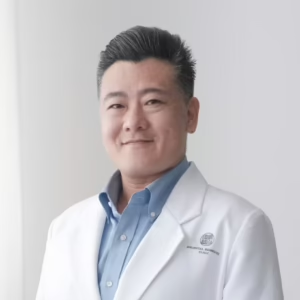
Cheung Kam (Kenneath)
Physician
Physician Cheung graduated from the esteemed Singapore College of Traditional Chinese Medicine and gained invaluable practical experience at Chung Hwa Medical Institution during his five years of TCM studies. With a diverse background spanning commerce, IT, and healthcare in both Singapore and Hong Kong, he brings a unique perspective to his practice.
Note: all words in Italics mentioned henceforth refer to the TCM organ system and not the anatomical organs/terms referenced in Western medicine.
Disclaimer:
The content on this page is for information and educational purposes only. Such medical information may relate to disease, injury, drugs, and other treatments, medical devices, and/or health products. Medical information does not amount to advice, and if advice is needed an appropriate professional help should be sought. The disclaimer asserts that no warranties or representations are given in respect of the medical information and that the website operator should not be held liable if a user suffers any injury or loss after relying upon the medical information
Any devices used for technology-enhanced therapies are intended for use only for general well-being purposes or to encourage or maintain a healthy lifestyle, and is not intended to be used for any medical purpose (such as the detection. diagnosis, monitoring, management or treatment of any medical condition or disease). Any health-related information provided by this device or software should not be treated as medical advice.
References:
[1] https://www.medicalnewstoday.com/articles/321597
[4] https://www.rmzxw.com.cn/c/2018-05-09/2047793.shtml
[7] http://dianda.cqvip.com/Qikan/Article/Detail?id=7111301637&from=Qikan_Article_Detail
[8] 堀口裕. ナチュラルキラー(NK)細胞活性低値群に対するマイナスイオン療法の効果
[9] 堀口裕. マイナスイオン療法により,慢性疲労症候群患者のNK細胞活性の改善に著効を示した一症例. 全国マイナスイオン医学会誌. 1997; 1(2): 39-47
[10] https://link.springer.com/chapter/10.1007/978-981-16-3484-0_4